Understanding Reclaimed Water Systems
Reclaimed water systems represent a crucial innovation in sustainable water management, seamlessly integrating advanced technologies to repurpose wastewater for various applications. By converting municipal and industrial effluent into high-quality reusable water, these systems not only alleviate water scarcity but also promote environmental sustainability. When exploring options, reclaimed water systems offer comprehensive insights into effective water reuse strategies that are becoming increasingly important in today's resource-conscious world.
What Are Reclaimed Water Systems?
Reclaimed water systems, also known as water recycling or water reclamation systems, involve the treatment and repurposing of wastewater to make it suitable for a variety of uses. This process typically begins with the collection of wastewater from sources such as municipal sewage or industrial processes. Afterward, the water undergoes rigorous treatment to meet specific quality standards, ensuring it can be safely used in applications ranging from irrigation to industrial cooling.
The essence of these systems lies in their ability to recover valuable resources from what would otherwise be waste, thus contributing significantly to water conservation efforts globally. According to studies, the implementation of reclaimed water systems can reduce the dependence on conventional water supplies, particularly in regions facing chronic water shortages.
The Technologies Behind Reclaimed Water
Modern reclaimed water systems utilize advanced technologies to efficiently purify wastewater. Some of the most notable methods include:
- Membrane Bioreactor (MBR): This technology combines biological treatment with membrane filtration to effectively remove contaminants from wastewater, resulting in high-quality effluent suitable for various uses.
- Ultrafiltration (UF): UF systems use membranes to separate particles and suspended solids from the water, providing an additional layer of purification.
- Reverse Osmosis (RO): This process forces water through a semipermeable membrane, allowing only water molecules to pass while blocking impurities, leading to exceptionally purified water.
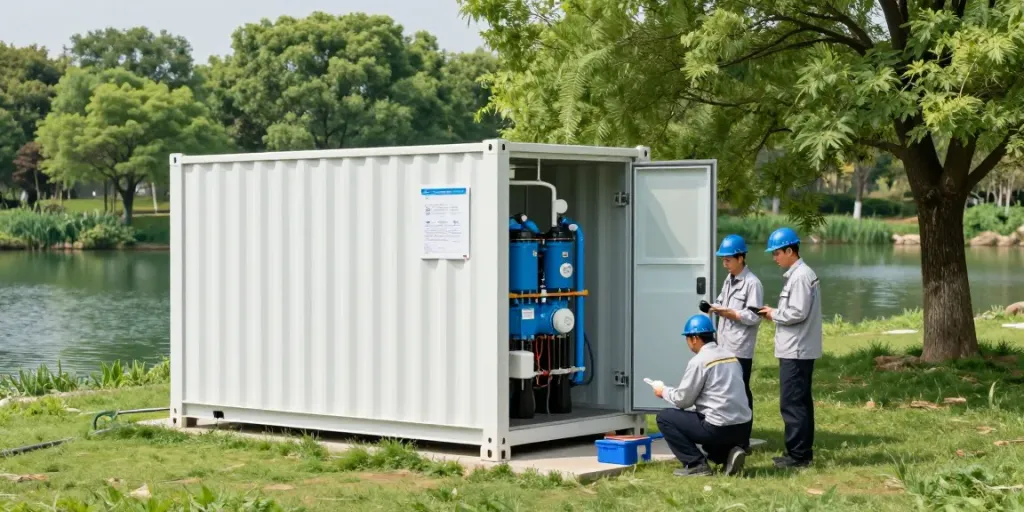
These technologies, when integrated into containerized reclaimed water systems, create compact, efficient units that can be deployed rapidly in diverse settings, from urban centers to remote facilities.
Applications of Reclaimed Water Systems
The versatility of reclaimed water systems allows their applications to span various industries and environments. Some notable examples include:
- Agricultural Irrigation: Reclaimed water is extensively used in agriculture, helping to reduce freshwater consumption while supporting crop growth.
- Industrial Processes: Many industries utilize reclaimed water for processes such as cooling, cleaning, and even as a raw material.
- Landscape Irrigation: Parks, golf courses, and residential landscapes can benefit significantly from treated reclaimed water, reducing the demand on potable water supplies.
- Groundwater Recharge: Reclaimed water can be used to replenish aquifers, contributing to the sustainability of local water resources.
Benefits of Using Reclaimed Water
Utilizing reclaimed water provides an array of benefits that extend beyond mere water savings. These advantages encompass environmental, economic, and public health aspects, making them vital for sustainable water management.
Environmental Advantages of Water Reuse
One of the primary benefits of reclaimed water systems is their positive impact on the environment. By reducing the demand for freshwater sources, these systems help to conserve vital ecosystems and preserve biodiversity. Furthermore, water reuse diminishes the volume of wastewater discharged into natural bodies of water, thereby mitigating pollution and promoting healthier aquatic environments.
Moreover, reclaiming water can directly contribute to the reduction of greenhouse gas emissions associated with water extraction, treatment, and distribution, aligning with global climate goals.
Cost-Effectiveness of Reclaimed Water Systems
Investing in reclaimed water systems can lead to significant cost savings for both municipalities and industries. By utilizing treated wastewater, communities can decrease their dependence on expensive sources of potable water, thus lowering overall water supply costs. Additionally, these systems can alleviate the need for extensive infrastructure development for new water supply projects.
Furthermore, many regions offer incentives for water reuse initiatives, making reclaimed water systems an economically viable solution for both public and private organizations.
Health and Safety Considerations
While health and safety concerns regarding reclaimed water are valid, modern technologies ensure that the water produced by these systems is safe for its intended uses. Stringent treatment processes and robust monitoring systems are in place to ensure compliance with public health standards.
Education and community engagement are also crucial in addressing misconceptions about reclaimed water, helping to foster acceptance and understanding of its benefits.
Challenges In Implementing Reclaimed Water Systems
Despite their numerous advantages, the implementation of reclaimed water systems is not without challenges. Understanding these issues is essential for successful deployment and operation.
Common Misconceptions About Reclaimed Water
One of the biggest hurdles faced by reclaimed water systems is public perception. Many individuals harbor misconceptions about the safety and usability of reclaimed water, often confusing it with untreated wastewater. Addressing these misconceptions through education and transparent communication is vital for gaining public trust and acceptance.
Logistical Challenges in Deployment
Logistical considerations play a significant role in the successful implementation of reclaimed water systems. These challenges may include:
- Infrastructure Requirements: Existing infrastructure may need to be modified or expanded to accommodate reclaimed water distribution.
- Funding and Investment: Initial capital costs can be a barrier, necessitating careful financial planning and potential partnerships.
- Regulatory Compliance: Navigating local, state, and federal regulations can be complex, requiring thorough understanding and strategic planning.
Maintenance and Operational Hurdles
Maintaining reclaimed water systems requires ongoing investment in resources and personnel. Regular monitoring, maintenance, and updates are essential to ensure optimal operation and water quality. Additionally, workforce training plays a critical role in sustaining effective operations over time.
Best Practices for Reclaimed Water System Implementation
To maximize the benefits of reclaimed water systems, organizations should adhere to best practices throughout the planning and implementation phases.
Strategic Planning for Effective Water Reuse
Strategic planning is vital in identifying the specific needs and potential challenges associated with reclaimed water systems. Conducting thorough feasibility studies and stakeholder engagement activities can help develop tailored solutions that align with community goals.
Case Studies of Successful Water Reuse Initiatives
Examining successful case studies can provide valuable insights for those looking to implement reclaimed water systems. For instance, several municipalities across the United States have innovatively incorporated reclaimed water into their water supply, successfully demonstrating its viability and benefits.
These success stories highlight the importance of tailored solutions, stakeholder involvement, and the rigorous application of best practices to achieve effective results.
Measuring Performance and Results
Establishing clear metrics for monitoring performance is essential for assessing the effectiveness of reclaimed water systems. Regular evaluation of water quality, operational efficiency, and user satisfaction can inform necessary adjustments and improvements, ensuring sustainable operations and community trust.
The Future of Reclaimed Water Systems
The future of reclaimed water systems looks promising, driven by the growing need for sustainable water management practices amid increasing global water stress. Technological advancements and evolving regulatory frameworks will play a pivotal role in shaping the landscape of water reuse.
Emerging Trends in Water Reuse Technologies
Emerging trends such as smart water management systems, decentralized treatment options, and enhanced purification technologies are significantly influencing the development of reclaimed water systems. Innovations in IoT and data analytics are also revolutionizing how water quality is monitored and managed, allowing for real-time adjustments and improved efficiency.
Regulatory Developments and Their Impacts
As the demand for reclaimed water increases, regulatory frameworks are evolving to support sustainable practices. Governments are implementing policies that encourage water reuse and provide guidance on safety standards, promoting the safe adoption of reclaimed water systems.
Innovative Solutions for Sustainable Water Management
The integration of reclaimed water systems into broader water management strategies offers innovative solutions to address water scarcity, enhance resilience, and promote sustainability. These systems not only contribute to resource conservation but also support economic development and environmental stewardship.