Understanding CNC Machining in Aerospace
CNC machining has become an indispensable technology in the aerospace industry, providing precision, efficiency, and versatility in manufacturing complex parts. With its ability to produce high-tolerance components, CNC technology plays a crucial role in ensuring safety and reliability within aerospace applications. As we delve into the intricacies of CNC machining in aerospace, it’s important to recognize the contributions of leading aerospace cnc parts manufacturers who have honed their skills and services over decades, delivering outstanding results.
What is CNC Machining?
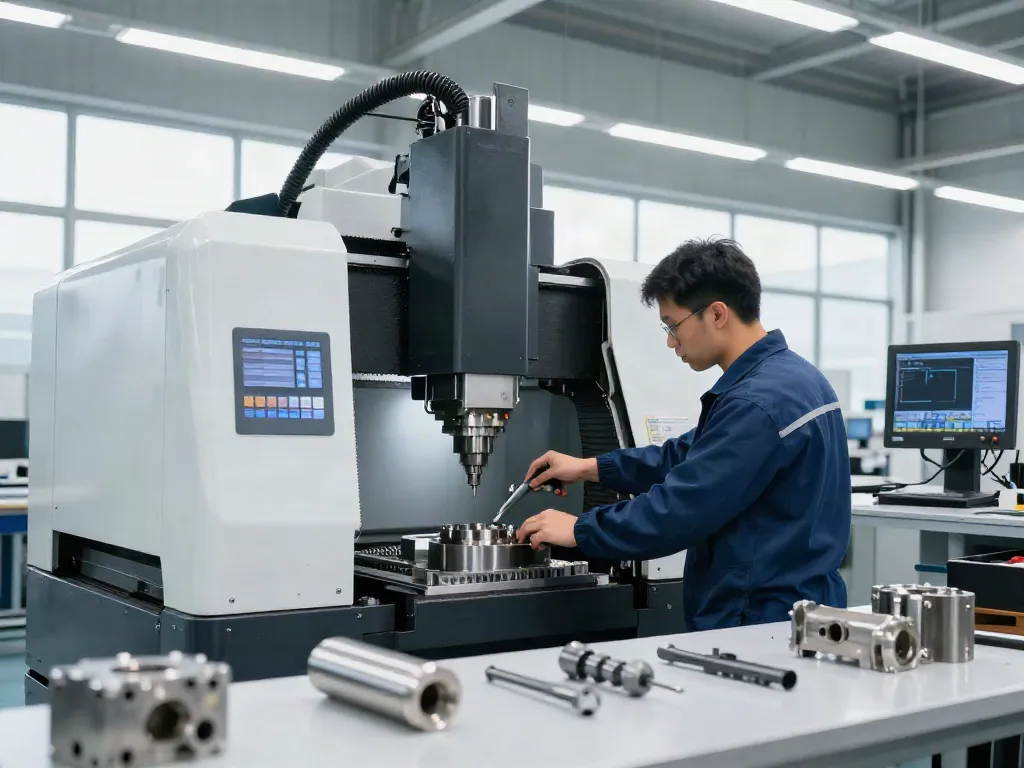
CNC (Computer Numerical Control) machining is a manufacturing process that employs computer software to control machine tools. This technology allows for the precise shaping and cutting of materials, resulting in intricate parts that meet stringent specifications. The process begins with a digital design that is translated into machine instructions, ensuring consistency and high-quality output. This method also minimizes human error, a critical factor in industries like aerospace where precision is paramount.
Importance of CNC Machining in Aerospace
The aerospace sector demands components that can withstand extreme conditions and deliver maximum performance. CNC machining provides several benefits, including:
- High Tolerance Levels: CNC machines can produce parts with tolerances as tight as ±0.005 mm, essential for aerospace components that require strict adherence to specifications.
- Complex Geometries: The technology allows for the creation of complex shapes and designs that would be difficult or impossible to achieve with traditional manufacturing methods.
- Efficiency and Speed: CNC machining significantly speeds up production times without compromising quality, making it an ideal choice for both prototyping and mass production.
- Cost-Effectiveness: While the initial investment for CNC machining can be high, its efficiency and ability to reduce waste make it more cost-effective in the long run.
Types of CNC Machines Used in Aerospace
Various CNC machines are employed to manufacture aerospace components, each serving specific functions:
- CNC Milling Machines: These machines are used for cutting and shaping materials, ideal for creating complex geometries.
- CNC Lathes: Lathes are essential for producing cylindrical parts and components, commonly used in engine assemblies.
- CNC Plasma Cutters: Used for cutting metals with precision, especially in the initial stages of component creation.
- CNC Water Jet Cutters: These utilize high-pressure water to cut materials, perfect for intricate designs without affecting the material properties.
Materials Commonly Used in Aerospace CNC Machining
Choosing the right materials is critical in aerospace manufacturing, as the safety and durability of components are of utmost importance. The selection process not only impacts performance but also the machining process itself.
Metal Materials for Aerospace Parts
Various metal materials are utilized in aerospace CNC machining, including:
- Aluminum Alloys: Lightweight and strong, aluminum alloys are widely used in aircraft structures for their excellent strength-to-weight ratio.
- Titanium Alloys: Known for their high strength and corrosion resistance, titanium alloys are crucial in components exposed to harsh environments.
- Stainless Steel: This material is selected for its durability and ability to withstand high temperatures, making it suitable for various aerospace applications.
- Copper Alloys: Copper is used primarily for electrical systems, thanks to its excellent conductivity.
Plastic Materials Utilized in Aerospace Manufacturing
Beyond metals, plastics also play a significant role in aerospace machining:
- Polypropylene (PP): Lightweight and resistant to chemical corrosion, making it ideal for various components.
- Polycarbonate (PC): Known for its impact resistance, often used in cockpit windows and other transparent parts.
- Polyamide (PA): Commonly known as nylon, PA is used for its strength and flexibility in various applications.
- Polyetheretherketone (PEEK): A high-performance polymer that can withstand extreme temperatures and is often used in engine components.
Benefits of Material Selection in Aerospace CNC
Effective material selection directly influences the performance, efficiency, and cost-effectiveness of aerospace components. By utilizing advanced materials, manufacturers can enhance:
- Performance: High-strength materials ensure that components withstand the rigors of flight.
- Weight Reduction: Lightweight materials contribute to fuel efficiency and overall aircraft performance.
- Cost Efficiency: Selecting materials that are less expensive to process can lead to cost savings in manufacturing.
Rapid Prototyping in Aerospace
Rapid prototyping is a critical aspect of the aerospace manufacturing process that allows for quick and efficient testing of designs before full-scale production begins.
Defining Rapid Prototyping
Rapid prototyping involves the fast fabrication of a physical part or assembly using three-dimensional computer-aided design (CAD) data. This method is pivotal for testing and refining designs in the aerospace industry, where modifications can be costly and time-consuming.
How Rapid Prototyping Supports Aerospace Development
By implementing rapid prototyping, aerospace manufacturers can:
- Accelerate Development Cycles: Quickly iterate designs based on testing feedback.
- Enhance Innovation: Foster creativity by allowing engineers to experiment with new designs without significant financial risk.
- Improve Collaboration: Facilitate teamwork through tangible prototypes for discussion and improvement.
Case Studies: Successful Prototyping Examples
Numerous aerospace companies have successfully used rapid prototyping:
- Boeing: Leveraged rapid prototyping to accelerate the development of components for the Dreamliner, reducing lead times significantly.
- Lockheed Martin: Employed prototyping to efficiently test various design iterations for the F-35 fighter jet, leading to optimized performance and reduced costs.
Challenges in Aerospace CNC Manufacturing
Despite its advantages, CNC machining in aerospace is not without its challenges. These can impact production efficiency and product quality.
Common Obstacles in Production
Some of the key challenges faced in aerospace CNC manufacturing include:
- Material Costs: The high cost of aerospace-grade materials can impact overall budget and production rates.
- Complex Regulations: The aerospace industry is heavily regulated; compliance with standards like AS9100 can complicate production processes.
- Machine Calibration: Regular calibration is essential for maintaining precision, requiring ongoing investment in resources and time.
Quality Control in Aerospace Machining
Ensuring quality is critical in aerospace machining. Manufacturers must adopt comprehensive quality control measures, including:
- Regular Inspections: Implementing frequent checks during the machining process to identify and rectify issues early.
- Testing and Certification: Rigorous testing of components to ensure they meet safety and performance standards.
- Employee Training: Investing in workforce training to ensure that all operators are skilled in the latest CNC technologies and quality assurance practices.
Overcoming Supply Chain Issues
Supply chain disruptions can significantly affect aerospace manufacturing. Effective strategies include:
- Diverse Supplier Networks: Establishing relationships with multiple suppliers to mitigate risks.
- Inventory Management: Implementing advanced inventory systems to forecast needs and manage stock levels efficiently.
- Collaborative Planning: Working closely with suppliers to align production schedules and avoid delays.
The Future of Aerospace CNC Machining in 2026
As technology continues to evolve, the aerospace industry is poised for significant advancements in CNC machining practices. Key trends to watch include:
Emerging Technologies and Trends
Several trends are shaping the future landscape of aerospace CNC machining:
- Additive Manufacturing: The integration of 3D printing technologies will revolutionize component production, allowing for even greater design flexibility and material efficiency.
- Automation and Robotics: Increased automation will enhance production efficiency and precision, reducing labor costs and errors.
- AI and Big Data: The use of AI to analyze data from machining processes will lead to predictive maintenance and optimized production schedules.
Predictions for Aerospace Manufacturing
As we look ahead to 2026, we can anticipate:
- Increased Demand: A growing need for more efficient, high-performance aircraft due to rising global travel demands.
- Greater Emphasis on Sustainability: Manufacturers will place a greater focus on sustainable practices and materials to reduce carbon footprints.
- Continued Innovation: Ongoing advancements in materials science and CNC technology will lead to the development of even more sophisticated aerospace components.
How to Stay Competitive as an Aerospace Manufacturer
To remain competitive in the evolving landscape, aerospace manufacturers should:
- Invest in Training: Continuously upgrade the skills of the workforce to keep pace with new technologies.
- Focus on R&D: Allocating resources to research and development to foster innovation and improve product offerings.
- Enhance Collaboration: Building partnerships with technology firms and research institutions can drive advancements and facilitate knowledge sharing.
What are the top aerospace CNC parts manufacturers?
Leading manufacturers include companies such as Boeing, Lockheed Martin, and GE Aviation, all of which utilize advanced CNC machining technologies in their production lines to ensure high-quality aerospace components.
How does CNC machining benefit the aerospace industry?
The benefits are significant; CNC machining enhances precision manufacturing, minimizes waste, and allows for complex geometries that meet rigorous safety standards.
What materials are best for aerospace parts?
Aluminum, titanium, and advanced polymers are among the best materials, providing a balance of strength, weight, and durability crucial for aerospace applications.
What future trends should aerospace manufacturers watch for?
Key trends include the rise of additive manufacturing, increased automation, and a stronger focus on sustainable practices within the industry.
How can companies ensure quality in CNC machining?
Implementing comprehensive quality control measures, optimizing machine calibration processes, and investing in employee training are essential to maintain quality in CNC machining.