Understanding Elevate Epoxy Flooring
When considering an upgrade for your flooring, Elevate Epoxy Flooring offers a sophisticated solution that combines aesthetics with durability. This type of flooring has gained considerable traction in both residential and commercial spaces due to its versatile application and myriad of design options. From garages to showrooms, the seamless finish of epoxy flooring not only enhances the visual appeal but also provides a robust surface that withstands the rigors of daily use.
What is Elevate Epoxy Flooring?
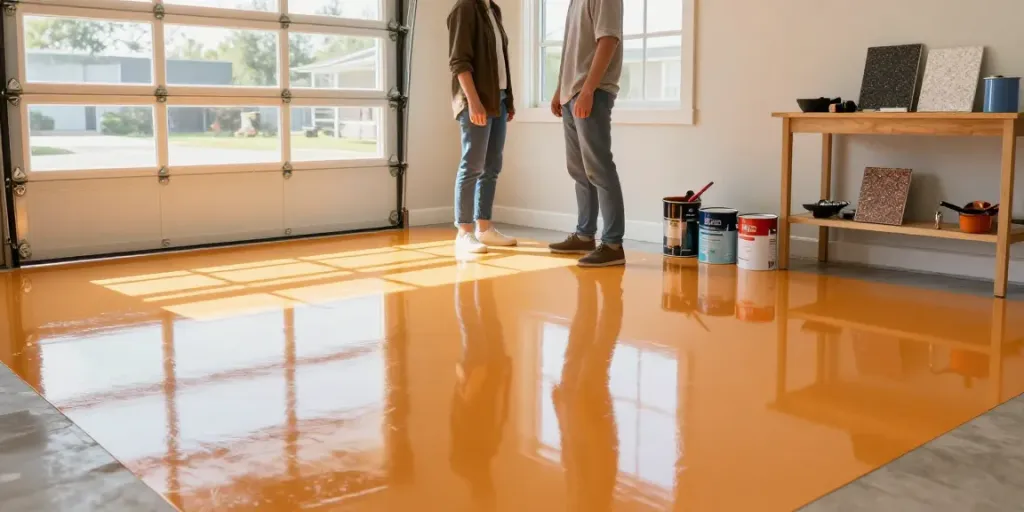
Elevate Epoxy Flooring is a high-performance flooring solution that consists of a durable resin mixed with hardeners to create a strong, long-lasting surface. This method transforms ordinary concrete floors into beautiful, functional spaces while providing exceptional protection against stains, moisture, and heavy foot traffic. The versatility of epoxy allows for a spectrum of finishes, from glossy to textured, accommodating various design preferences.
Key Features of Elevate Epoxy Flooring
- Seamless Finish: The application of epoxy results in a smooth surface that eliminates the need for grout lines, making it easy to clean and maintain.
- Durability: Epoxy floors are resistant to abrasions, chemicals, and impacts, ensuring they remain intact even under strenuous conditions.
- Variety of Designs: Available in numerous colors, patterns, and finishes, epoxy can be customized to suit any aesthetic, allowing for creative expression in any space.
- Low Maintenance: With its easy-to-clean surface, epoxy requires minimal upkeep compared to traditional flooring options.
Benefits of Choosing Epoxy Over Traditional Flooring
Choosing epoxy flooring over traditional materials such as tile or carpet comes with several advantages. First and foremost, the longevity of epoxy far surpasses that of its counterparts, making it a cost-effective investment in the long run. Additionally, its resistance to moisture and stains makes it an ideal choice for industrial settings, garages, and kitchens, where spills and heavy traffic are commonplace. Furthermore, with innovations in eco-friendly options, homeowners can now opt for VOC-free materials, further enhancing the safety and sustainability of their flooring choices.
Selecting the Right Flake Colors
Exploring the Flakes Color Chart
Elevate Epoxy Flooring offers an expansive flakes color chart that allows customers to choose from a range of hues and effects to personalize their floors. This versatility ensures that each installation can match the specific decor and style of the environment, whether it be a modern industrial space or a cozy homestead. These flake systems not only enhance aesthetics but also add texture, which can improve traction and reduce the risk of slips and falls.
Best Selling Colors: Which to Choose?
When determining the best selling colors for epoxy flooring, it's essential to consider the intended use of the space. For high-traffic areas, darker colors may be preferred due to their ability to hide dirt and wear. Conversely, lighter shades can create a sense of openness and brightness, ideal for smaller rooms or retail spaces. Some of the most popular options include charcoal, beige, and variations of blue, which can complement a wide array of design themes. Ultimately, the choice will depend on the functionality and aesthetic desired for the space.
Personalizing Your Floor's Aesthetic
Personalization of your epoxy floor can be achieved through combining different colored flakes or adding metallic finishes to create unique designs. This ability to customize not only makes the floor stand out aesthetically but also enables the owner to express their personal style. Homeowners can collaborate with professionals to develop a cohesive look that fits seamlessly into their existing decor.
Application Techniques for Optimal Results
Surface Preparation: A Critical Step
Proper surface preparation is essential to achieving a durable and long-lasting epoxy floor. The process involves cleaning the concrete thoroughly to remove any dust, oils, or existing coatings. Additionally, any cracks or imperfections must be repaired to ensure a smooth application. Skipping this step can result in poor adhesion and the premature failure of the flooring system, making it imperative to follow the correct procedures prior to installation.
DIY vs. Professional Installation
While some homeowners may consider a DIY approach to installing epoxy flooring, it often requires not only the right tools but also significant expertise to ensure a flawless finish. Professionals understand the intricacies of the material and can handle the application with precision, reducing the risk of errors. For larger spaces or complex designs, hiring a professional may result in better outcomes and save time.
Using VOC-Free Materials for Safety
Utilizing VOC-free materials in epoxy flooring applications is becoming increasingly popular due to rising health and environmental concerns. These eco-friendly options produce fewer harmful emissions during application, contributing to a safer work environment. By choosing VOC-free epoxy, not only do you promote better indoor air quality, but you also align with growing trends towards sustainability.
Maintaining Your Epoxy Floor
Cleaning and Care Best Practices
To maintain the integrity and appearance of epoxy flooring, regular cleaning is essential. Simple practices such as sweeping or vacuuming can help remove dirt and debris, while mopping with a gentle cleaner will preserve the glossy finish. It's crucial to avoid harsh chemicals, which can damage the epoxy surface over time. Establishing a routine cleaning schedule can significantly extend the lifespan of your epoxy flooring.
Common Challenges and How to Solve Them
One common challenge with epoxy flooring is the potential for scratches and scuffs, especially in high-traffic areas. Implementing protective measures, such as area rugs or mats in entryways, can help mitigate this issue. In addition, promptly addressing spills can prevent staining, keeping the floor looking its best.
Long-Term Benefits of Proper Maintenance
Investing time in regular maintenance not only preserves the appearance of your epoxy flooring but also enhances its durability. By addressing minor issues promptly, homeowners can avoid costly repairs and replacements in the future, ensuring that their flooring remains a stunning centerpiece for years to come.
Future Trends in Epoxy Flooring for 2026
Innovations in Epoxy Flooring Technology
The epoxy flooring market is poised for significant advancements in technology by 2026. Innovations are likely to include improved formulations that enhance durability and reduce the application time. Furthermore, advancements in color technology may lead to more vibrant and long-lasting hues, expanding the design possibilities for consumers.
Sustainability Trends and Eco-Friendly Practices
Sustainability will remain a key focus within the flooring industry, with increased emphasis on materials that minimize environmental impact. Companies are expected to introduce more eco-friendly options, including recycled content in their products and processes that reduce waste. These trends will not only appeal to eco-conscious consumers but also align with global efforts to promote sustainable practices across industries.
Predictions for the Growth of the Epoxy Market
Market analysts predict that the demand for epoxy flooring will continue to grow, driven by urbanization and the rising popularity of renovation projects. As more individuals recognize the benefits of epoxy, including its aesthetic versatility and durability, the market is expected to expand significantly, creating ample opportunities for innovation and competition within the industry.
What is the downside of epoxy flooring?
While epoxy flooring presents numerous benefits, potential downsides include a limited installation window and the need for proper surface preparation. Additionally, it can be slippery when wet, necessitating the addition of anti-slip agents or textures for safety.
How much would it cost to epoxy 1000 sq ft?
The cost to epoxy a 1000 sq ft area can vary depending on the quality of materials and labor involved. On average, homeowners can expect to pay anywhere from $3 to $12 per square foot, making it important to obtain quotes from multiple contractors to find an optimal price.
What is the best floor epoxy on the market?
The best floor epoxy typically depends on individual needs and preferences; however, reputable brands are known for their durability, ease of application, and attractive finishes. Researching customer reviews and product specifications can help determine the most suitable option.
How much does a 20x20 epoxy floor cost?
For a 20x20 area, or 400 square feet, costs would similarly range based on materials and installation. Budgeting between $1,200 to $4,800 is prudent, factoring in the specific requirements of the installation.
Where can I find Elevate Epoxy Flooring near me?
Finding Elevate Epoxy Flooring in your locality can be accomplished through online searches or by contacting local contractors who specialize in flooring solutions. Many suppliers also offer virtual consultations to assist customers in their flooring selection process.