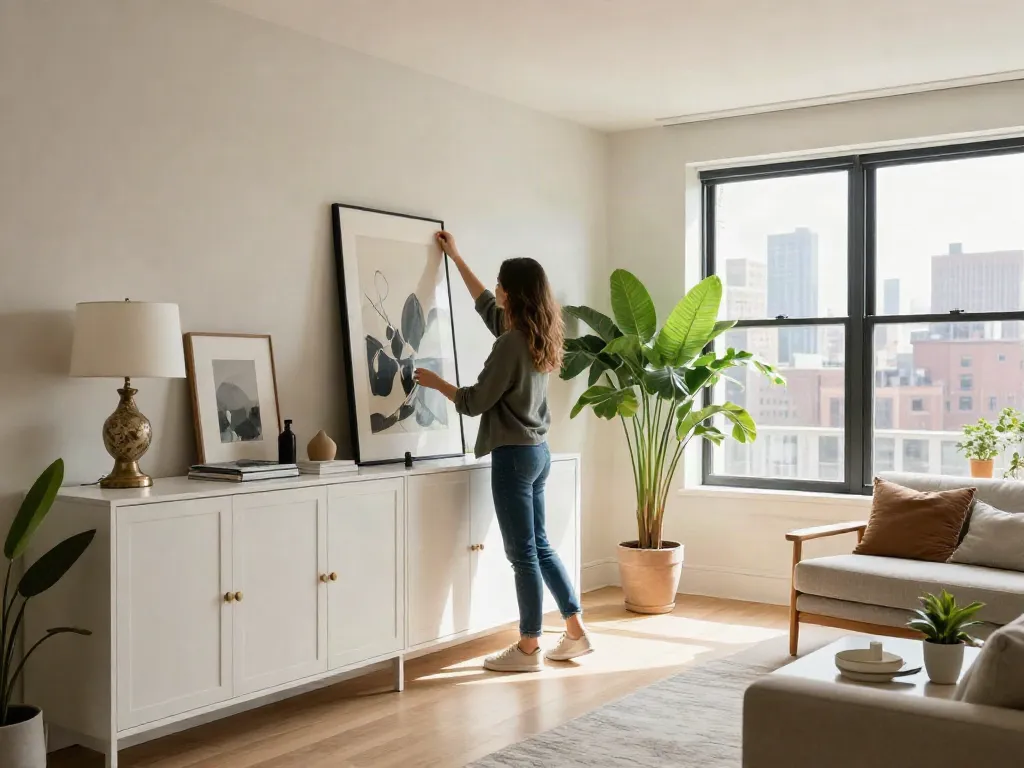
Understanding the Role of an Interior Designer in Brooklyn
In the vibrant tapestry of Brooklyn's residential scene, the role of an interior designer transcends mere decoration. A skilled designer not only envisions aesthetics but strategically crafts spaces that harmonize functionality with artistic expression, resonating with the unique lifestyles of Brooklyn's diverse residents. When exploring options, interior designer brooklyn provides comprehensive insights into local trends and preferences, ensuring that every project feels authentic and connected to its environment.
What Does an Interior Designer Do?
Interior designers in Brooklyn take on a myriad of responsibilities that extend far beyond simple decor. They assess clients' needs, preferences, and budgets to create tailored solutions. This includes space planning, selecting color palettes, sourcing furniture, and overseeing installation. Their expertise ensures that each room is not only beautiful but also functional, catering to the lifestyle of the inhabitants.
The Importance of Local Knowledge in Interior Design
Local knowledge is crucial for interior designers working in Brooklyn. Understanding the architectural styles that define the borough—from historic brownstones to modern lofts—enables designers to create spaces that respect and enhance their surroundings. Furthermore, familiarity with local suppliers and artisans allows designers to source unique materials that contribute to a home's distinct character.
Key Services Offered by Brooklyn Interior Designers
- Space Planning: Efficiently organizing space to enhance functionality and flow.
- Color Consultation: Assisting clients in selecting color schemes that reflect their style and enhance the ambiance.
- Custom Furniture Design: Creating unique, tailored pieces that fit the dimensions and aesthetic of the home.
- Lighting Design: Strategically integrating lighting solutions to enhance mood and highlight design features.
- Project Management: Overseeing the entire design process from concept to completion, ensuring timely deliveries and quality control.
Common Misconceptions About Hiring an Interior Designer
Myth vs. Reality: What You Should Know
Many homeowners in Brooklyn harbor misconceptions about interior designers, believing them to be an unnecessary expense or exclusively for the affluent. The reality, however, is that designers can work within various budgets and often save clients money in the long run by preventing costly mistakes. Their expertise can elevate spaces, adding value to homes and improving occupants' quality of life.
The Cost of Hiring an Interior Designer: Debunking Misunderstandings
Understanding the cost structure of hiring an interior designer is essential. Rates can vary significantly based on the designer's experience, project scope, and location. In Brooklyn, services may range from a flat fee for small projects to hourly rates or percentages of the overall project cost for larger undertakings. This flexibility allows homeowners to find a designer that fits their financial parameters.
Why Luxury Doesn’t Always Mean High Cost in Brooklyn
Luxury interior design in Brooklyn does not have to come with an exorbitant price tag. By leveraging relationships with local artisans and suppliers, designers can provide high-quality, custom solutions at competitive prices. Additionally, smart sourcing of materials and careful budgeting can help achieve a luxurious feel without breaking the bank.
Top Mistakes to Avoid When Choosing an Interior Designer
Failing to Define Your Style and Needs
A common mistake homeowners make is not clearly articulating their style preferences or project needs. This can lead to misunderstandings between the client and designer, resulting in a final product that doesn't resonate with the homeowner. Taking the time to reflect on personal style and desired functionality can ensure a more successful collaboration.
Ignoring Portfolio and Previous Work
Another mistake is neglecting to review a designer’s portfolio. Each designer has a unique aesthetic and approach; examining previous projects can provide valuable insight into their suitability for your vision. Look for diversity in their work and a history of projects similar to yours.
Not Considering Project Management Strategies
Effective project management is crucial for a smooth interior design process. Homeowners should inquire about how a designer plans to manage timelines, budgets, and communication. A clear strategy will minimize stress and ensure that the project runs seamlessly from start to finish.
Best Practices for a Successful Interior Design Project
Establishing a Clear Budget and Expectations
From the outset, it's vital to establish a clear budget and set expectations with your interior designer. This helps avoid surprises later in the process and allows the designer to tailor their approach to fit your financial limits while still achieving your desired aesthetic.
Communicating Effectively with Your Designer
Open communication is the cornerstone of a successful interior design project. Regular check-ins and updates can help ensure that both the client and designer are aligned throughout the process, facilitating a collaborative and enjoyable experience.
Balancing Aesthetics with Functionality
While aesthetics are an important aspect of design, functionality should never be compromised. A well-designed space is both visually appealing and practical, serving the needs of its occupants. Discussing how each design choice impacts daily living can help maintain this balance.
The Future of Interior Design in Brooklyn: Trends to Watch in 2026
Embracing Sustainable and Eco-Friendly Design
As awareness of environmental issues grows, more designers are integrating sustainable practices into their work. In Brooklyn, this trend involves sourcing eco-friendly materials, utilizing energy-efficient designs, and repurposing existing furniture to create stunning yet responsible spaces.
Integrating Technology into Home Design
Technology continues to play a significant role in modern interior design. Smart homes equipped with automated lighting, temperature control, and security systems are becoming increasingly common. Designers are now tasked with integrating these technologies seamlessly into the aesthetic of the home.
Adapting to the Changing Needs of Urban Living
As urban living evolves, so too does the role of interior designers. Brooklyn’s space constraints necessitate innovative solutions, such as multifunctional furniture and open-concept designs that maximize available square footage. Designers must continue to adapt to these changing demands and deliver practical solutions that enhance urban living.
How much does an interior designer cost in NYC?
The cost of hiring an interior designer in NYC can vary widely, typically ranging from $100 to $500 per hour, or flat fees based on project scope. It's advisable to discuss fees upfront and understand the pricing structure before engaging a designer.
What should I look for when hiring an interior designer?
When hiring an interior designer, consider their experience, portfolio, and communication style. Seek out designers whose work resonates with your aesthetic and who demonstrate a clear understanding of your project needs.
How can I ensure my designer understands my vision?
To ensure your designer captures your vision, provide clear examples of what you like, whether through inspiration images, mood boards, or detailed descriptions. Keep the lines of communication open to facilitate a collaborative process.
What are the latest trends in Brooklyn interior design?
Current trends in Brooklyn interior design emphasize sustainability, minimalism, and the integration of technology. Designers are also focusing on creating personalized spaces that reflect the individuality of each homeowner.
Is it worth hiring an interior designer for small spaces?
Absolutely! Hiring an interior designer for small spaces can optimize functionality and style. Their expertise is valuable in making the most of limited square footage while ensuring the space feels inviting and cohesive.