Understanding the Importance of Physics Tuition
Physics is a fundamental science that not only explains the laws governing our universe but also lays the groundwork for numerous technological advancements. As students navigate the complexities of physics, many find themselves struggling with intricate concepts and mathematical applications. This is where physics tuition becomes invaluable, providing personalized instruction that can help bridge knowledge gaps and bolster academic performance.
Why Physics Tuition Matters for Students
The importance of physics tuition cannot be overstated. Many students encounter challenges that traditional classroom settings may not adequately address. Personalized tutoring offers tailored methods of instruction that cater to each student's unique needs, learning pace, and psychological barriers. This bespoke approach not only improves understanding but can also enhance overall confidence in the subject.
Additionally, with the increasing emphasis on STEM education globally, students benefit from a solid foundation in physics. Whether for passing exams, pursuing higher education, or simply fostering a curiosity about the scientific world, physics tuition plays a critical role in providing students with the necessary tools to succeed in their academic journey.
Common Misconceptions about Physics Learning
Many students harbor misconceptions about physics, often viewing it as an abstract and inaccessible field. This perception can stem from a rigid curriculum that fails to relate physics concepts to real-world applications. By addressing these misconceptions, physics tuition can transform students’ attitudes, revealing the tangible benefits and exciting phenomena that physics encompasses.
For example, students may believe that physics is solely about memorizing formulas. In reality, understanding the underlying principles and applying them to solve problems is crucial. A skilled tutor can demystify these concepts, illustrating how physics shapes everyday experiences and technological innovations.
The Role of Personalization in Tutoring
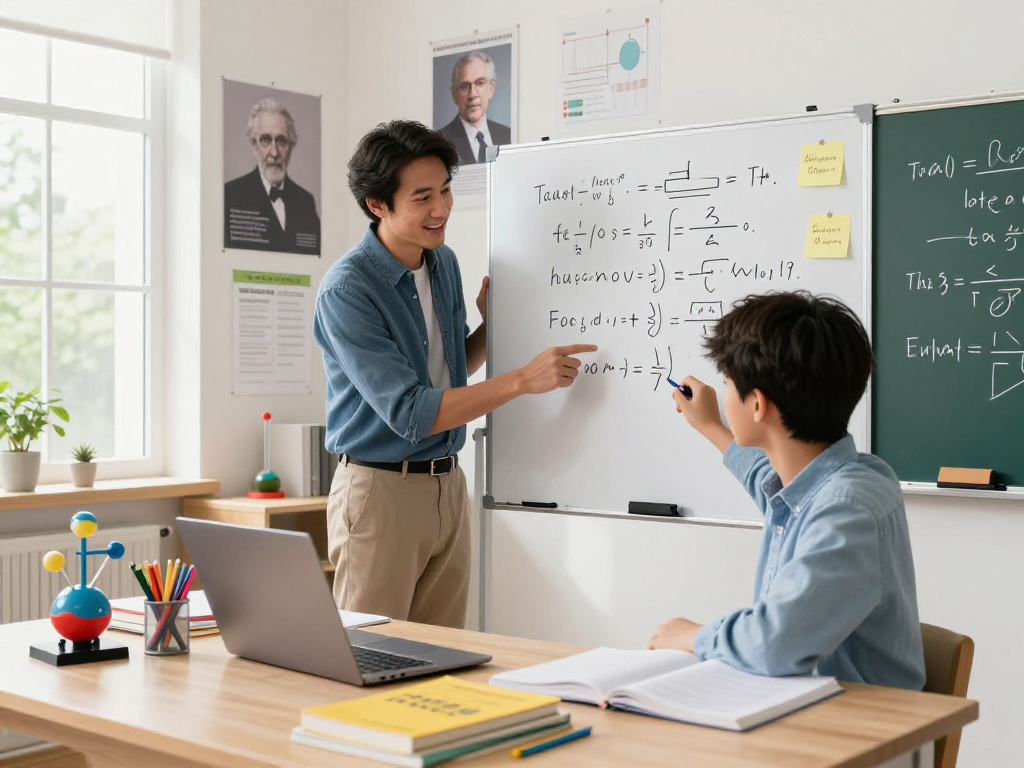
One of the key advantages of physics tuition is the personalized approach it offers. Every student learns differently; some may excel in visualizing concepts, while others prefer hands-on experimentation. Tutors can adapt their teaching strategies to match individual learning styles, ensuring that students not only grasp complex theories but also retain knowledge effectively.
Furthermore, personalized tutoring allows for real-time feedback, enabling students to ask questions and seek clarifications immediately. This immediacy can significantly enhance the learning experience, reducing frustration and building a stronger grasp of physics principles.
Key Elements of Effective Physics Tuition
Creating an Interactive Learning Environment
An interactive learning environment is crucial for effective physics tuition. By engaging students in discussions, problem-solving exercises, and experiments, tutors can foster a more dynamic and enjoyable learning experience. This interactive approach encourages curiosity and active participation, which are vital for comprehension in a subject as complex as physics.
Utilizing Technology to Enhance Understanding
In the age of digital learning, leveraging technology can greatly enhance physics tuition. Tools such as simulations, virtual laboratories, and educational apps allow students to explore concepts in a more intuitive way. For example, simulations can visualize abstract concepts such as electromagnetic fields or quantum mechanics, making them more digestible and relatable.
Incorporating Real-World Applications in Lessons
Linking physics to real-world applications can significantly enhance student engagement. Tutors should illustrate how physics principles apply to everyday life—be it through discussing the physics of sports, engineering, or environmental science. By doing so, students can see the relevance of what they are learning, which motivates them to delve deeper into the subject matter.
Challenges Faced in Physics Tuition
Addressing Learning Gaps and Difficulties
One significant challenge in physics tuition is identifying and addressing learning gaps. Many students come to tutoring with varying degrees of prior knowledge and understanding. A skilled tutor needs to assess these gaps early on to tailor their instruction effectively. This assessment might involve initial quizzes, one-on-one discussions, or diagnostic tests that pinpoint specific areas of weakness.
Overcoming Student Anxiety in Physics
Physics can be intimidating, leading to anxiety among students. This anxiety can stem from a fear of failure, confusion over complex topics, or previous negative experiences with the subject. Tutors must create a supportive atmosphere where students feel comfortable expressing their concerns and questions. Techniques such as positive reinforcement and gradual exposure to difficult concepts can help alleviate stress while promoting a positive learning experience.
Strategies for Maintaining Engagement
Engagement is crucial in physics tuition; without it, even the best teaching methods can fall flat. To keep students interested, tutors can incorporate gamification elements into their lessons, such as quizzes with rewards or friendly competitions. Providing a variety of learning resources, including videos, articles, and practical experiments, can also help maintain student interest and stimulate excitement around the subject.
Measuring the Success of Physics Tuition
Setting Goals and Benchmarks for Progress
To evaluate the effectiveness of physics tuition, it is essential to set clear goals and benchmarks. These goals should be specific, measurable, achievable, relevant, and time-bound (SMART). For instance, a student may aim to improve their exam scores by a certain percentage within a specified timeframe. Regular assessment of progress towards these goals can help both tutors and students gauge success and recalibrate strategies as needed.
Feedback Mechanisms for Continuous Improvement
Feedback plays a critical role in the learning process. Tutors should establish mechanisms for gathering feedback, both from the students and their parents, to understand what is working and what needs adjustment. This feedback loop is vital for continuous improvement, allowing for adaptations in teaching methods and learning materials that align with student needs.
Using Assessments to Gauge Understanding
Assessments are not just tools for measuring progress; they also serve as valuable learning opportunities. Regular quizzes and mock tests can help solidify the material learned while simultaneously identifying areas that require further attention. By analyzing assessment results, tutors can modify their teaching strategies to better support their students' learning journeys.
Future Trends in Physics Tuition for 2026
Innovative Teaching Methods on the Horizon
The landscape of education is rapidly evolving, and physics tuition is no exception. As we approach 2026, innovative teaching methods are likely to redefine how physics is taught. Expect to see an increase in collaborative learning environments, where students work together to solve problems and engage in peer teaching, enhancing their understanding through shared insights.
The Impact of Online Learning Platforms
Online learning platforms are revolutionizing tuition, including in the field of physics. These platforms provide students with access to a wealth of resources, including lectures, interactive simulations, and discussion forums. As technology continues to advance, we can anticipate a more immersive learning experience that transcends geographical barriers and fosters global collaboration among aspiring physicists.
Emerging Technologies in Physics Education
The integration of emerging technologies such as artificial intelligence (AI) and virtual reality (VR) in physics education is on the rise. AI can provide personalized learning experiences based on individual student progress, while VR can create realistic environments for experimentation and exploration. These technologies not only enhance understanding but make physics tuition more engaging and exciting for students.
What should I expect from a physics tutor?
When seeking a physics tutor, you should expect a knowledgeable professional who can explain concepts clearly and provide personalized instruction. A good tutor will assess your understanding and adapt their teaching methods to meet your needs, fostering an encouraging and stimulating environment for learning physics.
How can physics tuition help improve exam results?
Physics tuition can significantly enhance exam results by providing targeted support in areas where students struggle the most. With personalized guidance, students can develop better study habits, engage more deeply with the material, and enhance their problem-solving skills, all of which contribute to improved performance in exams.
What are the benefits of one-on-one tutoring?
One-on-one tutoring offers numerous benefits, including personalized attention, customized lesson plans, and the ability to learn at one's own pace. This individualized approach allows tutors to focus on specific areas of difficulty, ensuring that students receive the support they need to fully understand challenging physics concepts.
How can I find the right physics tutor for my needs?
Finding the right physics tutor involves considering qualifications, experience, and teaching style. Look for tutors who have a strong academic background in physics and experience in tutoring. Additionally, seeking recommendations, reading reviews, and conducting interviews can help ensure a good match between the tutor's teaching methods and the student's learning preferences.
What resources should I use alongside physics tuition?
Supplementing physics tuition with additional resources can reinforce learning and improve comprehension. Recommended resources include textbooks, online courses, educational apps, and relevant scientific journals. Collaborative learning with peers and engaging with educational videos on platforms like YouTube can also enhance understanding and retention of physics concepts.