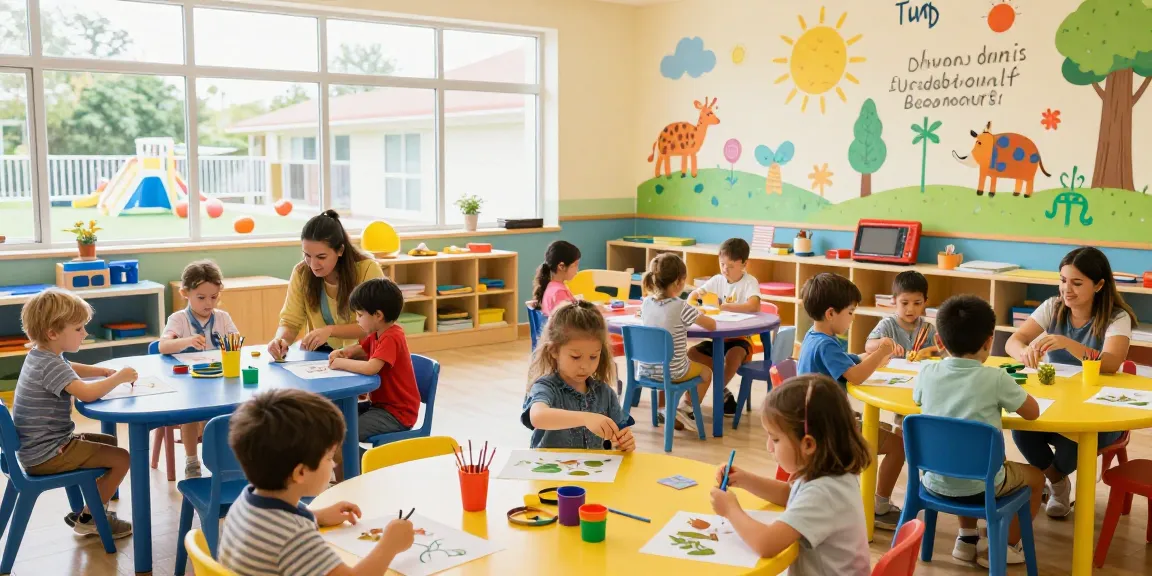
Understanding the Reggio Emilia Approach
The Reggio Emilia Approach is a child-centered educational philosophy that emphasizes experiential learning and respects children as active participants in their own education. It originated in the Reggio Emilia region of Italy and has gradually influenced early childhood education globally, including in Singapore. At Pegasus International Preschool, this approach is at the core of our curriculum, as it fosters creativity, critical thinking, and collaboration among young learners. When exploring options, Reggio Emilia Preschool Singapore provides comprehensive insights into how this method cultivates children's natural curiosity and passion for learning.
What is the Reggio Emilia Philosophy?
The Reggio Emilia Philosophy is founded on the belief that children are capable, curious, and full of potential. This educational model focuses on the child as an active participant in their learning process. Rather than simply passing down information, educators facilitate experiences that encourage children to explore, ask questions, and reflect on their thoughts and feelings. Central to this philosophy is the idea that children learn best when they are engaged in meaningful projects that resonate with their interests and the world around them.
How Inquiry-Based Learning Transforms Education
Inquiry-based learning is a cornerstone of the Reggio Emilia approach. It shifts the focus from teacher-led instruction to student-driven exploration. This method transforms education by promoting curiosity and critical thinking. Children learn to ask their own questions, conduct investigations, and draw conclusions based on real-world experiences. This form of learning not only deepens understanding but also fosters a love for inquiry—the very essence of lifelong learning.
Key Principles of the Reggio Emilia Approach
- Child-Centered Learning: Children are seen as protagonists of their own learning journeys.
- Collaboration and Community: Learning occurs in a social context where children work together and with others.
- Environment as the Third Teacher: The physical setting is intentionally designed to stimulate learning and creativity.
- Documentation of Learning: Educators document children’s processes and projects to reflect on their learning.
- Parental Involvement: Families are encouraged to play an active role in their child’s education.
Navigating the Enrollment Process
Choosing the right preschool for your child is a significant decision that sets the tone for their early learning experiences. Understanding the enrollment process can help ease any anxiety associated with this important choice. While many preschools offer information on their websites, visiting schools and engaging in discussions with staff can provide invaluable insights into their programs and philosophies.
How to Choose the Right Preschool for Your Child
Consider your child’s unique personality, interests, and learning style. When evaluating options, it’s essential to look for a preschool that aligns with your values and educational goals. Factors to consider include the school’s philosophy, curriculum, staff credentials, and the teacher-to-student ratio. A visit to the school can also give you a sense of its environment and whether it feels welcoming and stimulating for your child.
What to Expect During School Tours
During school tours, parents should observe how teachers interact with children and the types of activities taking place. It's a good opportunity to see if the environment encourages exploration and creativity. Pay attention to how staff engages with both children and families, as open communication is vital for fostering a supportive learning atmosphere.
Questions to Ask When Considering a Preschool
Asking the right questions can help clarify whether a preschool is a good fit for your child. Consider inquiring about:
- What is the school's educational philosophy?
- How are children encouraged to explore and inquire?
- What support systems are in place for children with diverse learning needs?
- How does the school involve parents in the educational process?
- What are the daily routines and activities like?
Creating a Supportive Home Learning Environment
Establishing a supportive home learning environment can significantly influence your child’s educational journey. By fostering curiosity and engagement at home, parents can complement their child’s experiences at preschool and support a seamless learning process.
Strategies for Encouraging Curiosity at Home
Encouraging curiosity can be as simple as creating an inviting space for exploration. Providing a range of materials for creative play, such as art supplies, building blocks, and books, can inspire your children to pursue their interests. Asking open-ended questions during daily activities can also stimulate critical thinking, prompting your child to think deeply about their surroundings.
Balancing Screen Time with Interactive Play
In an age dominated by technology, finding a balance between screen time and interactive play is crucial. Limit passive screen time and instead opt for educational content that engages your child’s imagination, such as interactive apps and educational videos. Encourage family activities that promote physical movement and social interaction to further develop essential skills.
Engaging Parents in the Learning Process
Active participation in your child’s education can enhance their learning experience. Consider volunteering at your child’s preschool or engaging in community events. These activities not only help foster a strong relationship with educators but also enrich your understanding of the educational methods being used, such as those inspired by the Reggio Emilia approach.
Benefits of Early Childhood Education
Early childhood education is vital for laying the groundwork for lifelong learning. Research consistently shows that quality preschool experiences positively influence children’s academic and social development.
Why Early Learning is Critical for Development
The early years are when a child's brain develops most rapidly; thus, early learning experiences shape their cognitive, emotional, and social capacities. Engaging in structured play and guided exploration during these formative years promotes essential skills necessary for future academic success.
Socialization Skills and Emotional Growth
Preschool settings provide children with opportunities to develop social skills through interaction with their peers. Learning to share, cooperate, and communicate effectively are foundational skills that will benefit children throughout their lives. Furthermore, exposure to diverse cultures and perspectives fosters empathy and emotional intelligence.
Preparing for Lifelong Learning
Quality early childhood education equips children with the tools they need for their academic journey and instills a love for learning. By nurturing curiosity and confidence, preschools prepare children not only for further education but also for navigating their future lives.
Future Trends in Preschool Education
As we look forward to 2026, several trends are emerging in preschool education that promise to shape the landscape of early childhood learning. It’s crucial for parents and educators to stay informed about these developments to best support young learners.
Emerging Approaches Beyond Reggio Emilia
While the Reggio Emilia approach remains influential, other educational philosophies are gaining traction. Approaches such as Montessori, Waldorf, and project-based learning are all designed to foster independence, creativity, and critical thinking in young children.
Integrating Technology in Learning
The effective integration of technology in preschool education is on the rise. Interactive learning tools can enhance engagement and provide new ways for children to explore concepts. However, it’s essential to ensure that technology use is balanced with hands-on experiences.
The Importance of Cultural Diversity in Education
In our increasingly globalized world, teaching children about cultural diversity is more critical than ever. Preschools are adapting by incorporating multicultural elements into their curriculum, introducing children to different languages, traditions, and perspectives from an early age.
How to Prepare for Changes in Preschool Education by 2026
To prepare for these changes, families should remain flexible and open-minded. Educational shifts may require adjustments at home, including embracing technology and fostering diverse learning experiences that reflect the broader world.
What Will Early Learning Look Like in the Future?
Future early learning environments will likely focus even more on experiential, inquiry-based methods. Collaborative projects and community involvement will broaden the scope of learning, allowing children to connect with real-world issues and solutions from an early age.