Understanding the Esports Landscape in 2026
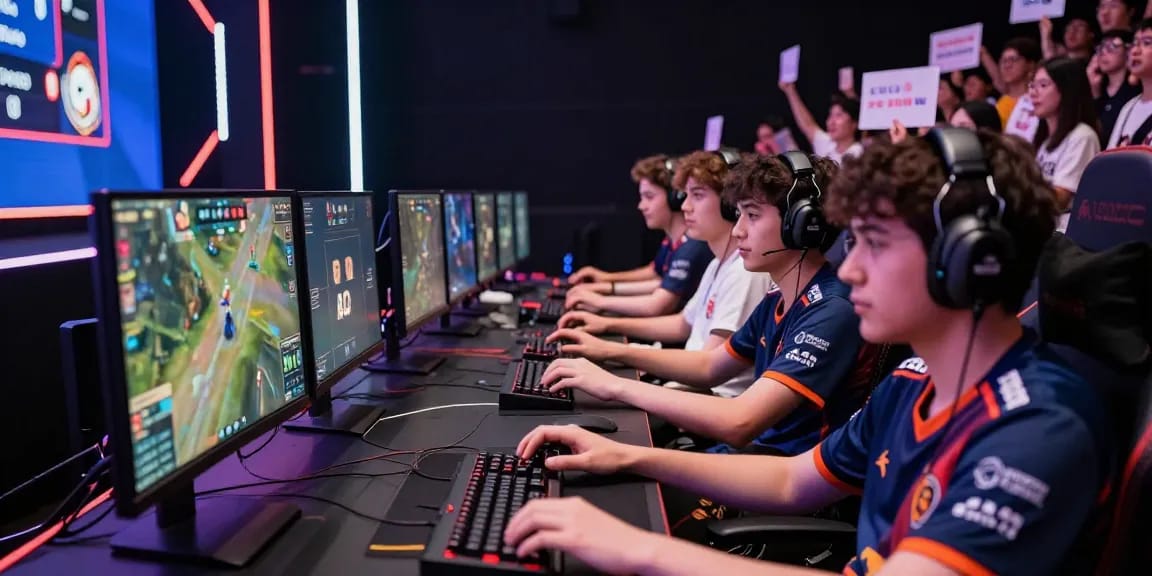
The world of esports is evolving at an unprecedented rate, particularly as we reach the year 2026. With the advent of new technologies and a rapidly expanding global audience, the competitive gaming landscape has never been more dynamic. Esports has transitioned from niche hobbyism to a mainstream sporting phenomenon, attracting millions of viewers and generating billions of dollars in revenue. For industry players, understanding these changes, including audience expectations, technological advancements, and strategic team development, is crucial. As the esports sector continues to grow, organizations like lucky77 are setting benchmarks for success through innovative practices and dedicated talent recruitment.
Current Trends in Competitive Gaming
In 2026, competitive gaming trends indicate a shift towards inclusivity and diversity. Games are being designed to be more accessible, allowing a wider range of players to participate. There is also a notable increase in the popularity of mobile esports, with games like PUBG Mobile and Clash Royale drawing massive audiences. Spectators are more engaged through interactive platforms, where they can influence game outcomes in real-time, pushing teams to adapt quickly to viewer preferences.
Key Players and Teams in the Industry
The competitive gaming arena is now populated by powerhouses like Team Liquid, TSM, and G2 Esports. These teams not only excel in gameplay but also invest heavily in brand building and community engagement. Additionally, new entrants like lucky77 demonstrate that innovative strategies can disrupt the established hierarchy. Fostering a culture of continuous learning and recruitment of top-tier talent is essential for maintaining a competitive edge.
Evolving Audience Expectations and Engagement
The esports audience of 2026 expects more than just high-level play; they crave storytelling, interaction, and community connection. Platforms like Twitch and YouTube have transformed how fans engage with teams and players, leading to an increase in demand for authentic content and behind-the-scenes access. To captivate these viewers, teams must develop comprehensive engagement strategies that include regular interaction through social media and participatory gaming experiences.
Building a Winning Team for lucky77
Creating a competitive esports team involves more than just selecting skilled players; it requires a well-rounded approach to recruitment and development. The foundation of a winning team relies on a culture of synergy and communication. Lucky77 is committed to building an environment that fosters growth and collaboration, ensuring that every member contributes to the team's success.
Identifying and Recruiting Top Talent
To build a successful team, organizations need to identify players who not only possess high skill levels but also align with the team's values and culture. This means scouting potential candidates through online platforms, competitions, and grassroots tournaments. Additionally, ensuring a diverse roster can bring varied perspectives and strategies, enhancing team performance.
Effective Team Dynamics and Communication
Strong communication is vital during gameplay. Teams need to establish clear channels for strategy discussions, performance feedback, and emotional support. Regular team-building exercises, both in and out of the game, can strengthen relationships and improve overall team dynamics. This will ultimately lead to better collaboration in high-pressure situations.
Training Regimens for Peak Performance
Training must be comprehensive, covering not only gameplay mechanics but also physical and mental well-being. Incorporating fitness routines, sleep management, and mental health resources can significantly enhance player performance. Teams like lucky77 are pioneering these methods, ensuring their players are in optimal condition before competitions.
Game Strategy Development
Developing a winning strategy is a multifaceted process that requires constant adjustments based on opponents’ tactics and in-game conditions. Teams must be agile in their strategic planning, utilizing data analytics to refine their gameplay approaches continuously.
Analyzing Opponent Strategies and Tactics
Understanding enemy movements and strategies can provide a crucial advantage. Utilizing software analytics to break down gameplay footage allows teams to identify weaknesses in their opponents' playstyles. This information can be leveraged to develop tailored counter-strategies, enhancing a team's competitive edge.
Creating and Refining Your Game Plan
A team's game plan should be dynamic and adaptable. Continuous refinement based on match outcomes and player feedback ensures that the strategy evolves over time. Regular scrims with diverse teams can provide new insights and challenge existing methods.
In-Game Adaptability and Decision-Making
Real-time decision-making is critical in fast-paced esports matches. Players must be trained to remain calm under pressure and make split-second decisions that align with the team's overarching strategy. Incorporating simulation training can help players practice these scenarios, improving their adaptability during matches.
Leveraging Technology for Competitive Advantage
The integration of technology in esports training and gameplay has become essential for teams striving for excellence. By utilizing innovative tools and platforms, teams can enhance their preparation and execution in competitions.
Innovative Tools and Platforms for Training
Today’s teams have access to advanced training platforms that utilize AI and machine learning to analyze gameplay. These tools provide invaluable insights, helping players identify areas for improvement and track their progress over time. lucky77 leverages these technologies to ensure their players are always improving.
Data Analysis and Performance Metrics
Performance metrics play a key role in understanding a team's strengths and weaknesses. Detailed analysis of gameplay data allows teams to assess their performance relative to competitors and adjust their strategies accordingly. This data-driven approach helps teams stay ahead of the curve in a competitive landscape.
Integrating VR and AR in Gameplay
The use of Virtual Reality (VR) and Augmented Reality (AR) is becoming increasingly prevalent in training environments. These technologies provide immersive experiences that enhance skills practiced outside of traditional gameplay. Players can simulate game scenarios in a controlled environment, improving their decision-making skills without the pressure of an actual match.
Marketing and Branding for lucky77
In 2026, effective marketing and branding strategies are vital for any esports organization. The competition is not just on the battlefield; it's also in the eyes of millions of potential fans and sponsors.
Effective Social Media Strategies for Engagement
With the audience's continual expectation for real-time updates and interaction, teams must curate engaging content across social media platforms. Unique strategies that integrate player personalities, behind-the-scenes footage, and community events can significantly enhance a team's public image. Interactions through live streams and Q&A sessions further solidify fan loyalty.
Building Partnerships and Sponsorships
Establishing partnerships with brands can amplify reach and revenue. Teams should focus on collaborations that align with their values and audience, ensuring authenticity in the sponsorships they pursue. This approach can lead to innovative marketing campaigns, benefiting both parties involved.
Creating a Strong Brand Identity in Esports
A strong brand identity is crucial for long-term success. Teams like lucky77 are focused on developing a unique voice and visual style that resonates with their fans. Consistent messaging, logo design, and merchandise strategy contribute to a cohesive brand that can attract sponsors and fans alike.
What is lucky77's competitive edge in esports?
With a commitment to innovation and talent development, lucky77 positions itself uniquely in the esports arena. Combining cutting-edge technology with a strong community focus, the organization fosters an environment conducive to growth and success.
How can teams improve communication during matches?
Utilizing streamlined communication tools and routine debriefs can significantly enhance intra-team communications. Establishing specific roles and responsibilities within the game can also minimize confusion, ensuring clear lines of communication during critical moments.
What are the latest trends in gaming technology?
As esports progresses, technologies such as AI analytics, VR training simulations, and cloud gaming are setting new standards. These advancements are changing how teams prepare for competitions and engage with their audiences.
How to effectively analyze gameplay for improvement?
Regular reviews of match footage, combined with performance metrics, offer teams profound insights into their gameplay. Detailed assessments should be part of the training routine to highlight areas where players can enhance their skills and strategies.
What marketing tactics work best for esports teams?
Leveraging social media for real-time engagement, creating authentic partnerships, and focusing on community-building initiatives are among the most effective marketing strategies for esports teams. Tailoring campaigns to reflect the team's values and fan sentiment can greatly enhance outreach and brand loyalty.