The Growing Popularity of Hair Transplants in Istanbul
In recent years, Istanbul has emerged as a leading destination for individuals seeking hair restoration solutions. The city combines world-class medical facilities with highly skilled practitioners, making it an attractive option for those considering a hair transplant. As the demand for hair transplants continues to rise, many individuals are exploring the benefits of undergoing procedures in Turkey. This trend has been fueled by various factors, including cost, quality of care, and accessibility. When exploring options, hair transplant istanbul provides comprehensive insights into this vital procedure.
Why Istanbul is the Top Destination for Hair Transplant Procedures
Istanbul is rapidly becoming the go-to city for hair transplants, particularly among international patients. Several factors contribute to this trend:
- Cost-Effective Solutions: Compared to Western countries, the cost of hair transplants in Istanbul is significantly lower. Patients can save up to 70% on surgery while receiving high-quality care.
- Expert Surgeons: Istanbul boasts numerous clinics with certified and experienced surgeons. Many doctors have trained in Europe and the U.S., offering advanced techniques and high success rates.
- Comprehensive Packages: Many clinics offer all-inclusive packages that cover accommodation, transfers, and post-operative care, ensuring a hassle-free experience for patients.
- State-of-the-Art Facilities: Turkish clinics often feature the latest technologies and equipment, providing patients with advanced treatment options like FUE (Follicular Unit Extraction) and DHI (Direct Hair Implantation).
Exploring the Economic Factors Driving Hair Restoration
The economic landscape of Turkey plays a pivotal role in the increasing popularity of hair transplants in Istanbul. As a country with a strong emphasis on medical tourism, the government supports the healthcare sector, making it accessible to international patients. Additionally, the cost of living in Turkey allows clinics to provide competitive pricing.
This economic advantage not only attracts patients but also encourages clinics to invest in cutting-edge technology and training for their staff. Furthermore, favorable exchange rates can make procedures even more affordable for visitors from countries like the United States and Europe.
Patient Experiences: Success Stories and Testimonials
Personal experiences greatly influence the decision-making process for individuals considering a hair transplant. Many patients report positive outcomes, detailing their journeys and transformations. Success stories often highlight the emotional impact of hair restoration, with individuals expressing newfound confidence and satisfaction with their appearance.
Online platforms and forums have become vital resources for potential patients, where they can read reviews and testimonials from those who have undergone procedures at various clinics in Istanbul. These accounts provide insights into the process, recovery, and overall satisfaction, encouraging more individuals to consider the procedure.
Understanding the Hair Transplant Process
Different Techniques: FUE vs. FUT Explained
Two primary techniques dominate the hair transplant landscape: Follicular Unit Extraction (FUE) and Follicular Unit Transplantation (FUT). Here’s a breakdown of each:
- FUE: This minimally invasive technique involves extracting individual hair follicles from the donor area and implanting them in the balding or thinning areas. It leaves no linear scarring and allows for quicker recovery.
- FUT: Also known as strip harvesting, this method involves removing a strip of scalp from the donor area, from which individual follicles are then harvested. While it may result in a linear scar, it can yield a larger number of grafts in a single session.
The choice between FUE and FUT largely depends on individual preferences, hair loss severity, and desired results. Patients are encouraged to consult with their surgeon to determine the most suitable option for their needs.
What to Expect Before, During, and After the Procedure
Preparation is key to a successful hair transplant. Prior to the procedure, patients should:
- Consult with their surgeon to discuss expectations and potential outcomes.
- Follow pre-operative instructions, which may include avoiding certain medications and alcohol.
- Arrive at the clinic well-rested and ready for the procedure.
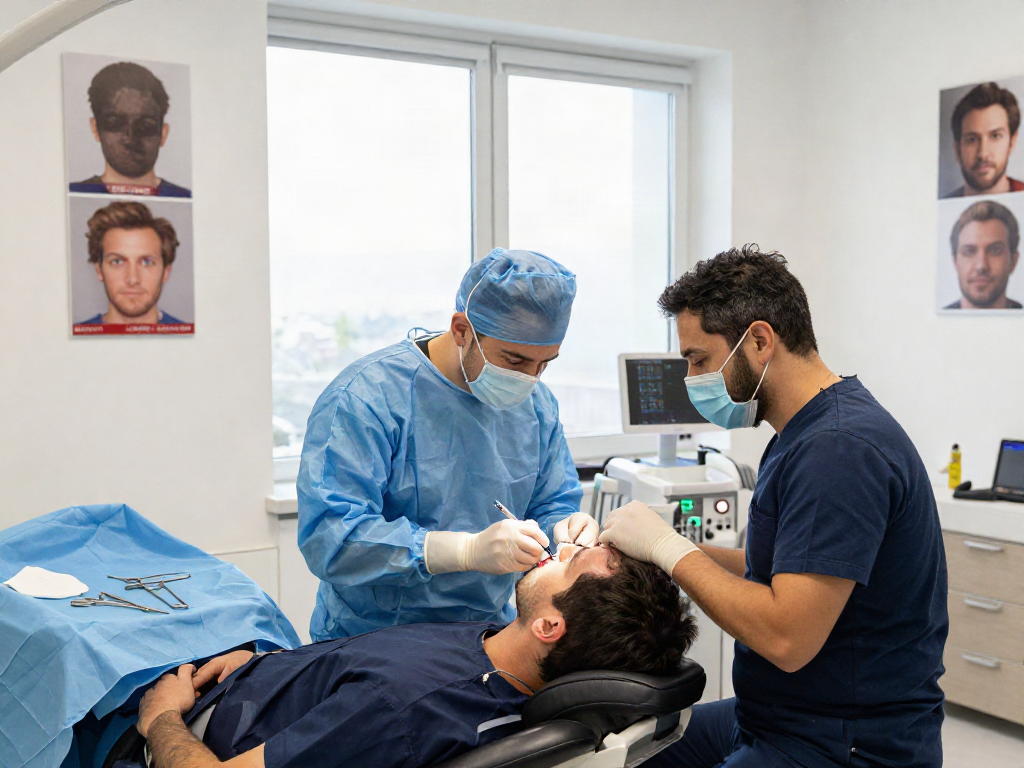
During the surgery, patients can expect:
- Local anesthesia to minimize discomfort.
- A procedure that typically lasts between 4 to 8 hours, depending on the technique and number of grafts.
Post-operative care is critical for optimal results. Patients should follow their surgeon’s recommendations for aftercare, which may include:
- Avoiding strenuous activities for a few weeks.
- Using prescribed medications to facilitate healing.
- Attending follow-up appointments to monitor progress.
Factors Influencing Results: Age, Health, and Genetics
The success of a hair transplant depends on several factors that vary from patient to patient:
- Age: Younger individuals may experience different hair loss patterns compared to older patients, impacting the approach taken by the surgeon.
- Health: General health status plays a significant role in recovery and overall results. Pre-existing conditions may affect healing and hair growth.
- Genetics: Family history of hair loss can provide insight into future hair loss patterns and influence the surgical plan.
Choosing the Right Clinic for Your Hair Transplant in Istanbul
Essential Qualifications to Look for in a Surgeon
Selecting a qualified surgeon is paramount to achieving desired outcomes. Key qualifications to consider include:
- Board certification in dermatology or plastic surgery.
- Specific training in hair restoration techniques.
- A proven track record of successful procedures and positive patient outcomes.
Evaluating Clinic Reputation and Patient Reviews
Researching clinic reputation can significantly influence your decision. Look for:
- Online reviews and testimonials from previous patients.
- Before-and-after photos showcasing the surgeon’s work.
- Accreditations and memberships in professional organizations.
Cost Considerations: What’s Included in the Price?
While cost is an essential factor, it’s crucial to understand what’s included in the total price. Be sure to ask about:
- The number of grafts included in the package.
- Pre-operative consultations and post-operative care.
- Any additional fees for medications or follow-up visits.
Post-Operative Care and Recovery Tips
Immediate Aftercare: Ensuring Optimal Results
Proper aftercare is vital for the success of your hair transplant. Key immediate care tips include:
- Keeping the transplant area clean and dry.
- Avoiding touching or scratching the scalp.
- Taking prescribed medications to reduce swelling and prevent infection.
Long-Term Maintenance and Follow-Up Procedures
Long-term success requires ongoing maintenance. Patients should:
- Attend follow-up appointments to monitor hair growth and health.
- Consider using hair care products recommended by their surgeon.
- Discuss any concerns regarding hair density or growth with their doctor.
Addressing Common Concerns and Misconceptions
Many potential patients may have concerns about the procedure, including:
- Pain levels during and after the surgery.
- Risk of complications or unsatisfactory results.
- Realistic expectations regarding hair growth timelines.
Clear communication with the surgical team can help alleviate these concerns and provide a better understanding of what to expect.
Future Trends in Hair Restoration Techniques
Emerging Technologies in Hair Transplant Surgery
The field of hair restoration is evolving rapidly, with new technologies enhancing the precision and effectiveness of procedures. Innovations such as robotic-assisted surgery and advanced imaging techniques are making hair transplants more efficient and yielding better results.
Personalization in Treatment Plans: Tailoring Solutions for Patients
As the demand for hair restoration grows, so does the focus on personalized treatment plans. Surgeons are increasingly using genetic testing and individual assessments to tailor solutions that address specific patient needs.
What to Expect in the World of Hair Transplants by 2026
By 2026, the hair transplant industry is expected to embrace even more advanced technologies, potentially offering faster recovery times and improved hair growth outcomes. Patients can anticipate greater transparency in pricing and enhanced access to clinics through telemedicine consultations.
As the industry adapts to the evolving needs and expectations of patients, Istanbul will likely continue to solidify its position as a premier destination for hair restoration.
What is the cost of a hair transplant in Istanbul?
The cost of a hair transplant in Istanbul can vary significantly based on factors such as the chosen clinic, the technique used (FUE or FUT), and the number of grafts required. On average, patients can expect to pay between $1,500 and $3,500 for a full transplant.
Are hair transplants painful?
Most patients report minimal pain during and after the procedure, especially with the use of local anesthesia. Post-operative discomfort can usually be managed with prescribed medications.
How long does the recovery take after a hair transplant?
Initial recovery typically takes about 7 to 10 days, during which patients may experience swelling or mild discomfort. Full results may take 6 to 12 months to manifest as hair gradually grows in.
Can anyone get a hair transplant?
While most individuals are candidates for hair transplants, those with certain medical conditions or insufficient donor hair may need to explore alternative treatments. A thorough consultation with a qualified surgeon can determine eligibility.
What are the risks associated with hair transplant surgery?
As with any surgical procedure, hair transplants carry risks, including infection, scarring, and unsatisfactory results. Discussing potential risks and complications with your surgeon can help manage expectations.