Understanding GHK-Cu: The Copper Peptide Revolution
In recent years, the emergence of peptides in skincare and health supplements has revolutionized how we approach beauty and wellness. Among these, GHK-Cu, a naturally occurring copper peptide, has gained significant attention for its impressive regenerative properties. Known for its role in stimulating collagen production and promoting skin health, GHK-Cu is increasingly being utilized in advanced skincare formulations and therapeutic applications.
What is GHK-Cu and its Origins?
GHK-Cu, or Glycyl-L-histidyl-L-lysine copper complex, is a tripeptide originally discovered in human plasma. It plays a pivotal role in various biological processes, especially in tissue repair and regeneration. The copper component, Cu, is vital for various enzymatic reactions and contributes to the peptide's effectiveness. Found naturally in human tissues, GHK-Cu decreases with age, which correlates with slowed healing processes and increased signs of aging.
How GHK-Cu Works on Skin and Hair
The mechanism of action for GHK-Cu involves its ability to bind to cell surfaces and stimulate cellular activities. This binding prompts fibroblasts (cells responsible for collagen production) to produce more collagen, elastin, and glycosaminoglycans, essential components for skin structure and hydration. Furthermore, GHK-Cu enhances angiogenesis, which is the formation of new blood vessels, improving nutrient delivery to the skin and hair follicles.
Historical Significance and Research Background
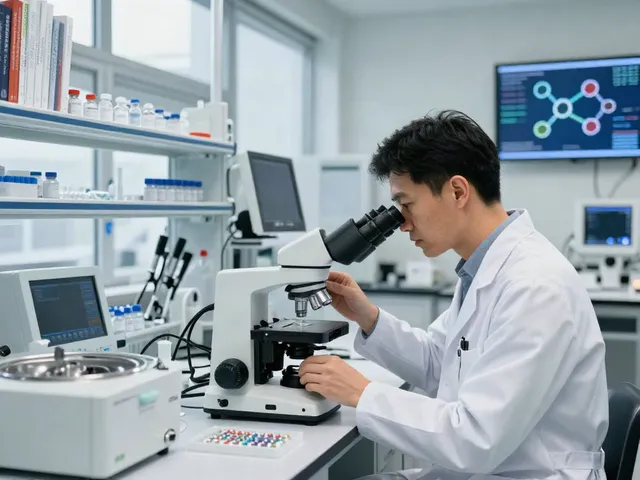
Research on GHK-Cu dates back to the 1970s when scientists first recognized its potential in wound healing. Studies have shown that GHK-Cu can significantly enhance collagen synthesis, leading to improved skin structure and reduced wrinkles. Recent studies, including one published in the Journal of Investigative Dermatology, have further validated its effectiveness, demonstrating its role in accelerating skin repair processes and enhancing overall skin tone.
Benefits of GHK-Cu in Skincare
Promoting Collagen Production Effectively
One of the most celebrated benefits of GHK-Cu is its ability to promote collagen production. This peptide has been shown to increase collagen levels by up to 70% in some studies, making it a powerful ingredient for those looking to combat signs of aging. Enhanced collagen production leads to firmer, more youthful skin, a crucial aspect of effective skincare routines.
Reducing Signs of Aging and Enhancing Elasticity
GHK-Cu not only stimulates collagen synthesis but also improves skin elasticity. As we age, our skin loses its natural elasticity, leading to sagging and wrinkles. By improving the skin's structural proteins, GHK-Cu can help restore a more youthful appearance, making it a sought-after ingredient in anti-aging formulations.
Wound Healing and Skin Repair Mechanisms
In addition to its aesthetic benefits, GHK-Cu has proven effective in wound healing. Its ability to accelerate the healing of cuts and abrasions illustrates its regenerative properties. Studies have found that topical applications of GHK-Cu lead to faster skin repair, making it beneficial for those with scars, post-surgical marks, or chronic wounds.
GHK-Cu in Hair Care: Applications and Outcomes
Stimulating Hair Growth and Preventing Loss
GHK-Cu is not only effective for the skin but also shows promise in hair care. Research indicates that it can stimulate hair growth and prevent hair loss by promoting the health of hair follicles. Its ability to enhance blood flow to the scalp nourishes hair roots, leading to thicker and healthier hair.
Improving Hair Texture and Strength
Regular use of GHK-Cu in hair products can lead to improved hair texture and strength. By rejuvenating hair follicles and stimulating the production of structural proteins, users may experience less breakage, dullness, and frizz, resulting in a more vibrant mane.
Case Studies: GHK-Cu Success Stories
Numerous success stories highlight the effectiveness of GHK-Cu in hair restoration products. Case studies showcase individuals who have experienced substantial improvements in hair density and overall scalp health after consistent use of GHK-Cu-infused treatments, emphasizing its potential as a game-changer in the beauty industry.
GHK-Cu Dosage and Application Guidelines
Topical vs. Injectable: Choosing the Right Form
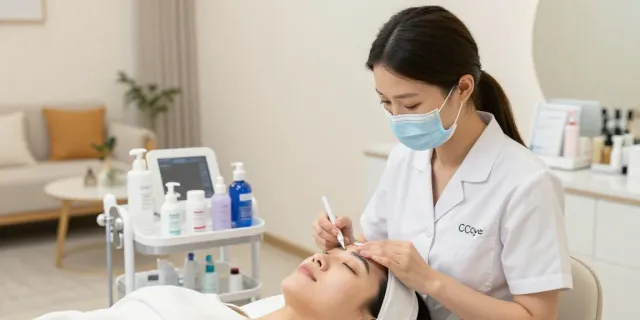
GHK-Cu can be administered either topically or through injection, depending on desired outcomes. Topical formulations are effective for skin rejuvenation, while injections may be preferred for deeper tissue repair or specific areas requiring intensive treatment. Consulting with a healthcare professional can help determine the best method for individual needs.
Dosage Recommendations for Optimal Results
For topical use, concentrations of GHK-Cu typically range from 0.1% to 2.0%, depending on product formulation. For injections, the dosage must be tailored to individual requirements and administered by qualified practitioners. It’s crucial to follow product guidelines and seek professional advice to maximize benefits while minimizing risks.
Best Practices for Incorporating GHK-Cu in Routine
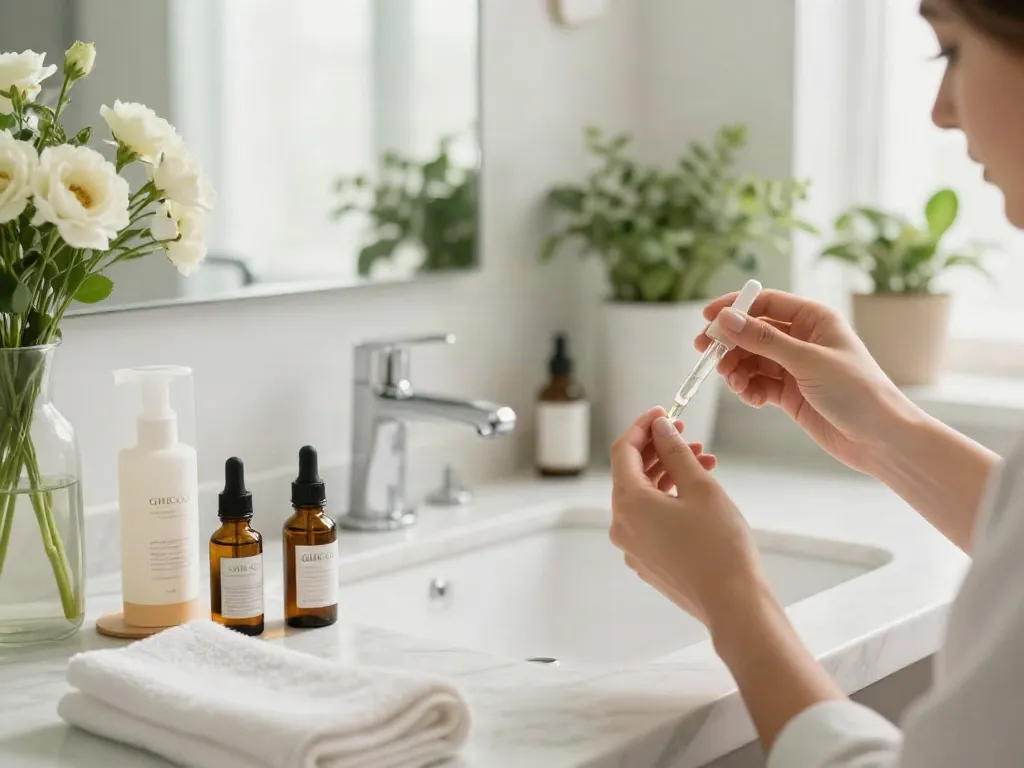
Incorporating GHK-Cu into your skincare or haircare routine should be done gradually. Begin by applying products containing the peptide a few times a week, increasing frequency as tolerated. Always perform a patch test to gauge skin sensitivity, and combine GHK-Cu with other synergistic ingredients like hyaluronic acid for enhanced hydration.
The Future of GHK-Cu in 2026 and Beyond
Emerging Trends in Skincare and Cosmetic Science
The future of GHK-Cu looks promising as research continues to uncover its multifaceted benefits. As consumer awareness of peptide technology grows, the demand for GHK-Cu-enhanced products is expected to rise, with brands innovating to create more effective and targeted formulations.
Potential Innovations with GHK-Cu
Innovations may include advanced delivery systems, such as microneedling or transdermal patches, to enhance absorption and effectiveness. Additionally, the combination of GHK-Cu with other active ingredients to create synergistic effects offers exciting potential for future formulations.
Consumer Insights and Market Growth Projections
As consumers increasingly seek high-quality, effective skincare solutions, the market for peptide-based products, including those containing GHK-Cu, is projected to grow significantly. Consumer preferences lean towards clean, science-backed formulations that deliver visible results, driving brands to prioritize transparency and efficacy in their offerings.
What is GHK-Cu peptide used for?
GHK-Cu is primarily used for its skin rejuvenation properties, enhancing collagen production, and aiding in wound healing.
What are the negative side effects of GHK-Cu?
Generally, GHK-Cu is well-tolerated; however, potential side effects may include mild irritation or allergic reactions in some individuals. Consulting with a dermatologist before use is advisable.
Is GHK-Cu peptide legal?
Yes, GHK-Cu is legal and widely used in cosmetic products and supplements.
Is it safe to inject GHK-Cu every day?
Daily injections are not typically recommended; it is essential to follow medical guidance and use GHK-Cu as directed to avoid potential complications.