Understanding the Appeal of Celebrity Look-Alikes
The fascination with celebrity look-alikes has captivated audiences worldwide for decades. Whether it's a casual comment about someone resembling a famous actor or a dedicated social media account showcasing side-by-sides, our obsession with finding someone who looks like a celebrity is deeply ingrained in popular culture. In an age where visual references dominate our communication, the concept of comparing appearances to iconic figures has found new life through technology and social media. This article delves into the allure of celebrity doppelgängers and how they manifest in our lives today.
What Does It Mean to Look Like a Celebrity?
Looking like a celebrity typically means sharing similar physical traits with a famous individual. These traits can include facial features, hair color, or even body type. While some people may have striking resemblances to household names, others may only share subtle similarities. This phenomenon can lead individuals to draw connections between themselves and their favorite stars, often evoking a sense of pride or joy.
Notably, the definition of "looking like a celebrity" is subjective. For example, some might argue that only certain facial structures qualify as a resemblance, while others might include style and demeanor in their assessments. The cultural context also plays a significant role in how resemblance is perceived, as societal standards of beauty can change over time.
Psychological Impacts of Celebrity Comparisons
Celebrity comparisons can have profound psychological impacts on individuals. On one hand, finding someone who looks like a celebrity can boost self-esteem and foster a sense of belonging. It can make individuals feel more connected to the glamour and allure often associated with celebrity culture. On the other hand, these comparisons can also lead to feelings of inadequacy or pressure to live up to the standards represented by those celebrities.
Moreover, the rise of look-alike apps has made it easier than ever for people to receive instant feedback on their resemblance to famous personalities. While this can be fun, it also raises questions about how individuals perceive themselves and their worth based on these comparisons. The digital age has turned the act of finding one's celebrity counterpart into a public affair, further complicating self-image.
Popular Culture's Fascination with Celebrity Look-Alikes
Throughout history, society has exhibited a powerful fascination with celebrity look-alikes. This interest is often showcased through various media forms, including movies, television shows, and viral social media posts. For instance, reality television has introduced audiences to numerous celebrity impersonators, illustrating the lengths to which individuals will go to mimic their idols.
Moreover, look-alike contests and events have gained popularity, celebrating individuals who can most accurately replicate a celebrity's appearance. These events not only entertain but also amplify the cultural significance of celebrity look-alikes, positioning them as icons in their own right.
How to Use Technology to Find Your Celebrity Twin
The technological advancements in facial recognition and artificial intelligence have revolutionized the way we can discover our celebrity twins. A plethora of apps and websites have emerged, allowing users to upload selfies and receive instant feedback on which celebrities they resemble. These platforms make the process engaging and accessible, drawing in users from various demographics.
Overview of Celebrity Look-Alike Apps
Celebrity look-alike apps have surged in popularity, offering users a fun and interactive way to find their doppelgängers. Some of the leading applications include:
- StarByFace: This app uses neural networks to analyze facial features and compare them against a database of celebrity images. Users simply upload a photo, and the app delivers matches along with corresponding scores.
- Fotor: Utilizing advanced face analysis technology, Fotor’s celebrity look-alike finder allows users to upload selfies and receive suggested matches in mere seconds.
- Celebs Look Alike: Available on both the App Store and Google Play, this app provides an engaging interface for matching user photos with celebrity images, making the experience both enjoyable and addictive.
Step-by-Step Guide to Using a Look-Alike Finder
Using a celebrity look-alike finder is generally straightforward. Here’s a simple guide to get you started:
- Download the App: Begin by downloading your preferred celebrity look-alike app from the App Store or Google Play.
- Upload Your Photo: Once installed, open the app and follow the prompts to upload your photo. Ensure that the image meets any specified requirements (e.g., resolution, background).
- Receive Your Matches: After uploading, the app will analyze your facial features and compare them against its database. In seconds, you will receive results showing which celebrities you resemble most, often with the percentage of similarity.
- Share and Enjoy: Most apps allow you to share your results on social media, adding a layer of fun and interaction among friends.
Understanding AI and Facial Recognition Technology
Facial recognition technology, powered by artificial intelligence, is the backbone of celebrity look-alike apps. These technologies analyze key facial landmarks—such as the distance between the eyes, nose shape, and jawline contours—to find matches in their database. As this technology continues to evolve, the accuracy and speed of celebrity matching increase, offering users an even more engaging experience.
However, the use of AI in this context raises ethical questions regarding privacy and consent. Users should remain aware of how their data is used and ensure that they are comfortable sharing their images with these platforms.
The Social Media Impact on Celebrity Look-Alikes
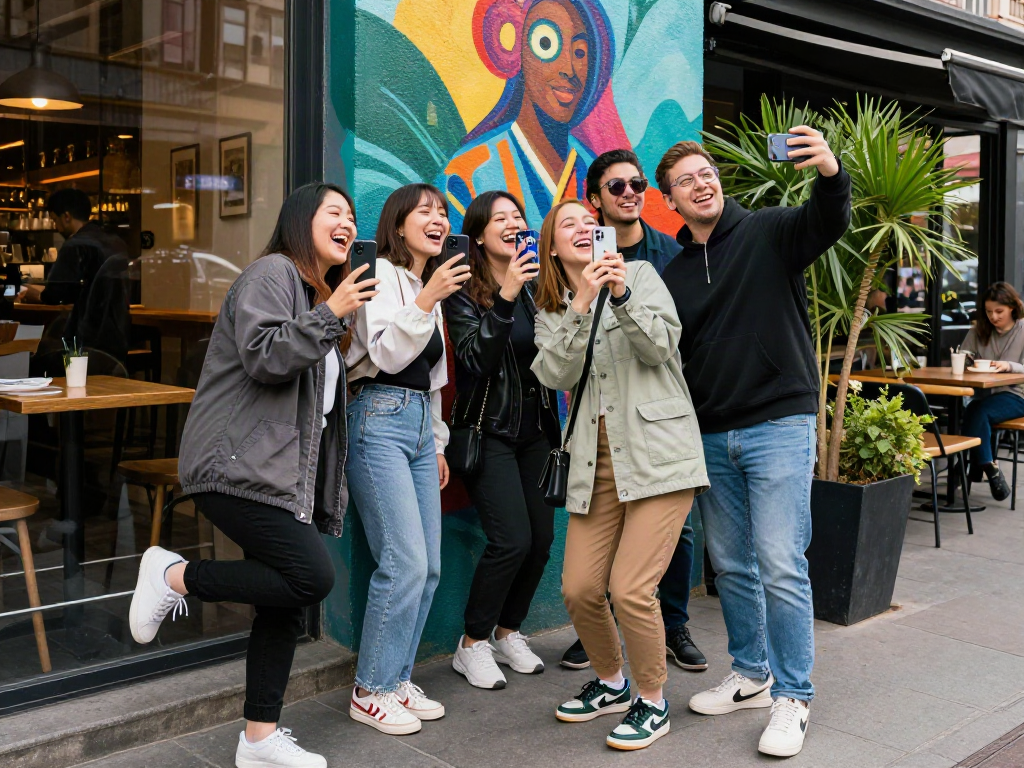
Social media has significantly changed how we perceive and interact with celebrity look-alikes. Platforms like Instagram, TikTok, and Twitter have allowed individuals to showcase their resemblance to celebrities, creating a community built around this shared trait.
How Platforms Promote Celebrity Look-Alike Culture
Social media platforms encourage users to post pictures that highlight their celebrity resemblances, often through trending hashtags or challenges. This enables users to build connections based on shared interests while also gaining visibility for their own profiles. The ability to quickly share and compare images fosters a sense of camaraderie among participants, further deepening the cultural fascination with celebrity look-alikes.
Creating Viral Content with Look-Alike Comparisons
Another significant impact of social media is the potential for look-alike comparisons to go viral. Users often share side-by-side images of themselves and celebrities, generating attention and engagement. A well-crafted meme or video can lead to thousands of shares, introducing the concept of celebrity look-alikes to a broader audience.
Furthermore, influencers and content creators capitalize on this trend by participating in challenges or creating dedicated content around their celebrity look-alikes. This not only boosts their personal brands but also perpetuates the popularity of look-alike culture.
Influencers and the Celebrity Look-Alike Trend
Influencers play a crucial role in the celebrity look-alike trend, often utilizing their platforms to compare themselves with notable figures. Their reach and ability to captivate an audience amplify the look-alike phenomenon. For instance, many influencers have found success by sharing their results from look-alike apps, consequently driving more users to try these apps themselves.
As influencers continue to engage with this trend, they create a cycle of visibility that keeps celebrity look-alikes in the public eye, sustaining its cultural relevance.
Real-Life Applications of Celebrity Look-Alike Technology
Beyond personal amusement, celebrity look-alike technology has practical applications across various industries. Businesses and organizations are increasingly recognizing the value of using look-alikes for marketing and entertainment purposes.
Entertainment Industry Uses for Look-Alikes
The entertainment industry often employs look-alikes for promotional events, film productions, and advertising campaigns. These individuals serve as stand-ins for celebrities, adding authenticity to projects while helping to engage audiences. For example, look-alikes can be hired to attend events, allowing fans to interact with a familiar face without the logistical constraints of getting the real celebrity.
Marketing Strategies Leveraging Celebrity Look-Alikes
Brands frequently use celebrity look-alikes in their advertising strategies to capitalize on the allure of famous personalities. By featuring a look-alike in promotional materials, brands can create associations with the positive qualities of the celebrity, enhancing their marketing efforts.
Moreover, campaigns that incorporate look-alikes can generate buzz and shareability, encouraging consumers to engage with the brand on social media platforms. This leads to organic growth and increased visibility among target demographics.
Case Studies of Successful Celebrity Look-Alike Campaigns
There are numerous case studies where the use of celebrity look-alikes has proven to be effective. For instance, a popular beverage company ran a campaign featuring a look-alike of a well-known actor, generating considerable media attention and engagement. The campaign successfully connected with consumers and drove up sales significantly due to its relatability and humor.
Another example includes a cosmetics brand utilizing a social media influencer who closely resembled a famous pop star. By leveraging this resemblance in their marketing campaigns, the brand saw an increase in social media followers and product sales as the influencer shared their makeup routine across various platforms.
Future Predictions for the Celebrity Look-Alike Phenomenon in 2026
As technology continues to evolve, the future of celebrity look-alikes appears set for exciting developments. With the advancements in AI, facial recognition technology is expected to become even more sophisticated, potentially leading to more accurate matches and personalized experiences.
Emerging Trends in Look-Alike Technology
In 2026, we may see the emergence of augmented reality (AR) applications that allow users to not only find their celebrity look-alikes but also interact with them virtually. Imagine being able to ‘try on’ the hairstyle or makeup of your celebrity twin in real-time through your smartphone or tablet. This could revolutionize how we engage with both technology and celebrity culture.
Potential Ethical Considerations of Celebrity Comparisons
As the technology surrounding celebrity look-alikes becomes more advanced, ethical considerations will become increasingly important. Issues surrounding consent, privacy, and the impact on self-esteem may need to be addressed by developers and users alike. Establishing clear guidelines could ensure that while users enjoy comparing themselves to celebrities, they do so in a respectful and responsible manner.
Long-Term Implications for Personal Identity in Social Media
The continued fascination with celebrity look-alikes could have lasting effects on personal identity in the social media landscape. As users frequently compare themselves to celebrities, there is a risk of losing sight of individuality in favor of emulating famous personas. Balancing healthy self-esteem while engaging with celebrity culture will be essential as we move forward into this new era.
What is it called when you look like a celebrity?
When you look like a celebrity, this phenomenon is often referred to as having a "celebrity doppelgänger" or being a "celebrity look-alike." It signifies that your physical appearance shares similarities with a well-known public figure.
How do you say you look like a celebrity?
You can express that you look like a celebrity by simply stating, "People say I resemble [celebrity's name]" or "I'm often told I look like [celebrity's name]." These phrases effectively communicate the comparison without necessitating elaborate explanations.
Why do people say I look like a celebrity?
People may say you look like a celebrity due to shared facial features, hairstyle, or even fashion style. Sometimes, it's simply a matter of perception, where friends and family find a resemblance based on cultural references or trends.
Who is a celebrity lookalike?
A celebrity lookalike is someone who closely resembles a famous person, often to the extent that they can be mistaken for that celebrity. These individuals may work professionally in entertainment, but they can also be everyday people who happen to share similar traits.
How can I find out which celebrity I look like?
You can find out which celebrity you look like by using dedicated apps and websites designed for this purpose. By uploading a photo, these services analyze your features and suggest celebrity matches, making the process simple and fun!