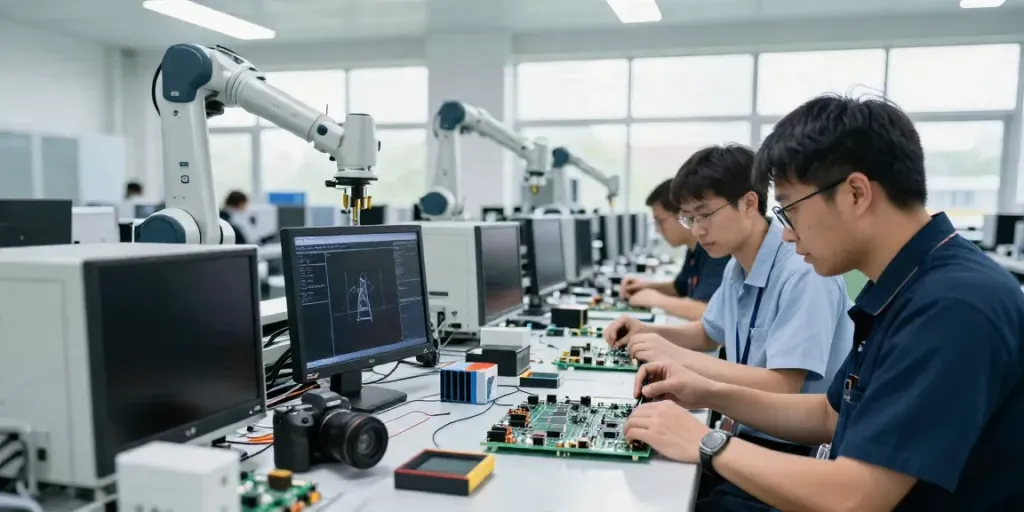
Understanding Electronic Manufacturing Services (EMS)
In the dynamic landscape of technology, electronics manufacturing services (EMS) play a pivotal role in the production of electronic devices, serving as a backbone for companies seeking to streamline their operations. By leveraging the expertise of EMS providers, businesses can focus on their core competencies while outsourcing the complexities of design, manufacturing, and assembly. This article delves into the intricate world of EMS, exploring its significance, benefits, challenges, and future trends, offering valuable insights for companies looking to enhance their manufacturing capabilities.
What Are Electronic Manufacturing Services?
Electronic manufacturing services encompass a broad spectrum of outsourcing solutions for companies that require design, manufacturing, assembly, and testing of electronic components and devices. EMS providers offer comprehensive services that cater to original equipment manufacturers (OEMs) and other businesses, enabling them to achieve cost efficiencies and faster time-to-market.
When exploring options, electronic manufacturing services can significantly reduce operational burdens by outsourcing critical processes, thereby allowing companies to concentrate on innovation and customer engagement.
The Role of EMS in the Electronics Industry
EMS firms are integral to the electronics supply chain. They manage various stages of the manufacturing process, from design and prototyping to production and distribution. By collaborating closely with OEMs, EMS providers facilitate the creation of high-quality products that meet stringent industry standards. Their role extends beyond mere production; they also offer strategic insights that help in product design optimization and cost reduction.
Key Benefits of Using EMS Providers
- Cost Efficiency: Outsourcing manufacturing processes to EMS providers often leads to significant cost savings due to economies of scale and reduced overhead.
- Focus on Core Competencies: By allowing specialists to handle manufacturing, companies can concentrate on innovation, marketing, and customer service.
- Access to Advanced Technologies: EMS providers typically invest in state-of-the-art machinery and software, which may be prohibitively expensive for individual companies to acquire.
- Scalability: EMS solutions offer flexibility in production volumes, enabling companies to scale operations up or down based on demand without the need for extensive capital investment.
- Risk Mitigation: By partnering with an experienced EMS provider, companies can reduce risks associated with production delays and quality issues.
Choosing the Right EMS Partner
Criteria for Evaluating EMS Companies
Selecting the right EMS partner is crucial for ensuring success in electronics manufacturing. Key criteria to consider include:
- Experience and Expertise: Review the company’s background, industry experience, and capabilities in specific technologies relevant to your products.
- Quality Standards: Ensure the EMS provider adheres to recognized quality certifications (such as ISO 9001) and has a robust quality management system in place.
- Manufacturing Capabilities: Assess their manufacturing processes, including PCB assembly, testing, and supply chain management.
- Communication and Collaboration: A responsive EMS provider with excellent communication skills can significantly enhance project outcomes.
- Geographic Location: Consider the location of the EMS provider, as this can impact logistics, lead times, and costs.
Common Pitfalls When Selecting an EMS Provider
While selecting an EMS partner, companies often encounter several pitfalls, such as:
- Overlooking Hidden Costs: Ensure to account for all potential costs beyond the initial quote, including shipping, taxes, and additional fees.
- Neglecting Cultural Fit: Choose an EMS provider that aligns well with your company’s values and operational methodologies.
- Ignoring Scalability: Failing to consider future growth can lead to challenges if the EMS provider cannot adapt to increased production needs.
- Inadequate Due Diligence: Conduct thorough research and validate the provider’s reputation through customer reviews and case studies.
Expert Insights on Building Effective Partnerships
Establishing a productive partnership with an EMS provider requires strong communication and collaboration. Regular updates and feedback are essential for aligning expectations and outcomes. Moreover, companies should invest time in training the EMS team about their products to ensure clarity and efficiency in the manufacturing process. Building a long-term relationship characterized by trust and transparency can result in ongoing benefits for both parties.
Challenges in Electronic Manufacturing
Typical Obstacles Faced by EMS Providers
Despite the advantages of using EMS, several challenges persist in the electronic manufacturing landscape, including:
- Supply Chain Disruptions: Fluctuations in the availability of materials can impact production timelines.
- Rapid Technological Changes: Keeping pace with technological advancements requires ongoing investment and adaptation.
- Quality Control Issues: Maintaining consistent quality across production runs can be a significant challenge, particularly when scaling up operations.
- Regulatory Compliance: Navigating complex regulations across different markets can complicate manufacturing processes.
Strategies for Overcoming Manufacturing Challenges
To address these challenges, EMS providers and their partners can implement various strategies, such as:
- Investing in Supply Chain Management: Utilize technology to monitor and manage supply chain logistics to pre-empt disruptions.
- Continuous Training: Provide ongoing training and development for staff to ensure they remain updated on the latest manufacturing technologies and best practices.
- Quality Management Systems: Develop robust quality assurance processes to prevent defects and ensure product reliability.
- Leveraging Data Analytics: Use data analytics for predictive maintenance and quality control, thus maintaining operational efficiency.
Future Trends Impacting Electronic Manufacturing Services
The landscape of electronics manufacturing services is evolving rapidly. Future trends that will likely impact this sector include the rise of automation, increased use of artificial intelligence for quality control, and the adoption of sustainable manufacturing practices. Additionally, the shift towards localized manufacturing may alter the dynamics of global supply chains, requiring EMS providers to adapt quickly to remain competitive.
Case Studies of Successful EMS Implementations
Real-World Examples of Effective EMS Solutions
Successful partnerships between EMS providers and companies can yield impressive results. For instance, a well-known tech company partnered with an EMS provider to streamline its production line, leading to a 30% reduction in time-to-market. By utilizing the EMS provider's advanced technologies and methodologies, the company not only improved efficiency but also reduced costs significantly.
Lessons Learned from EMS Partnerships
Through various collaborations, companies have learned essential lessons, such as the importance of thorough initial assessments and establishing clear communication channels. Effective partnerships often hinge on mutual respect and understanding of each party's expectations and workflows.
Key Performance Indicators in EMS Projects
To gauge the success of EMS partnerships, companies should track key performance indicators (KPIs) such as:
- On-Time Delivery Rates: Monitoring delivery timelines ensures that production schedules are met.
- Defect Rates: Assessing product quality through defect rates helps identify areas for improvement.
- Cost Reductions: Evaluating cost savings achieved through the EMS partnership can highlight financial benefits.
- Production Volume: Tracking the volumes produced can assist in scaling operations adequately.
The Future of Electronic Manufacturing Services
Emerging Technologies Shaping EMS in 2026
Looking ahead, several emerging technologies, such as flexible manufacturing systems, the Internet of Things (IoT), and advanced robotics, are set to transform the EMS landscape. These innovations will enhance production efficiency, improve product quality, and create new opportunities for customization.
Predictions for the EMS Market Over the Next Decade
As the demand for electronic devices continues to escalate, the EMS market is projected to grow substantially. Analysts predict that companies focusing on sustainability and technological innovation will lead this growth, with an increasing emphasis on adaptive supply chains and eco-friendly practices.
Preparing Your Business for Changes in Electronic Manufacturing
To navigate the future of electronic manufacturing successfully, businesses should invest in continuous improvement processes, prioritize flexibility, and embrace technological advancements. By staying ahead of industry trends and preparing for potential disruptions, companies can position themselves for long-term success in a competitive market.
What are electronics manufacturing services?
Electronics manufacturing services refer to a comprehensive range of outsourcing solutions that encompass the design, manufacturing, assembly, and testing of electronic devices and components. These services are crucial for companies looking to enhance their efficiency and reduce operational costs.
What is the difference between EMS and OEM?
The primary difference lies in their focus: EMS providers offer a wide range of manufacturing services, while original equipment manufacturers (OEMs) typically design products and may outsource their manufacturing to EMS providers.
What are the top 5 EMS companies in the world?
Some of the leading EMS companies include Foxconn, Jabil, Flextronics, Celestica, and Pegatron, noted for their vast networks and capabilities in various electronic manufacturing processes.
What is the largest EMS company?
Foxconn Technology Group is regarded as the largest EMS company globally, known for its significant role in manufacturing products for major tech brands like Apple and Sony.
How do I choose the right EMS for my needs?
To choose the right EMS provider, consider factors such as their expertise in your specific industry, technology capabilities, quality standards, and ability to scale production according to your needs. Conducting thorough evaluations and seeking recommendations can also enhance your decision-making process.